How to Identify Geodes: Find & Crack Open Hidden Treasures
Learn to identify geodes in the field, distinguish them from ordinary rocks, and crack them open safely to reveal stunning crystal cavities. This complete guide covers worldwide locations, value factors, and the best tools for successful geode hunting.
In this article
- What Exactly Is a Geode? The Science Behind These Crystal Vaults
- Where to Find Geodes: Prime Hunting Locations Worldwide
- How to Identify Geodes in the Field: Step-by-Step Process
- Common Geode Look-Alikes and How to Avoid Them
- Tools and Equipment for Successful Geode Hunting
- How to Crack Open Geodes Safely and Effectively
- Value and Collectibility: What Makes Geodes Worth Money?
- Care and Maintenance of Your Geode Collection
- Historical and Cultural Significance of Geodes
- Common Mistakes in Geode Identification
- Advanced Tips for Serious Geode Hunters
# How to Identify Geodes: Finding & Cracking Open Treasures
Nothing beats the thrill of cracking open an unassuming rock to discover a sparkling crystal cavity inside. Geodes are nature’s ultimate surprise packages, and learning to identify geodes in the field is a skill every rockhound needs. This definitive guide will transform you from curious beginner to confident geode hunter, covering everything from scientific properties to the exact spots where you’ll find these geological treasures.
What Exactly Is a Geode? The Science Behind These Crystal Vaults
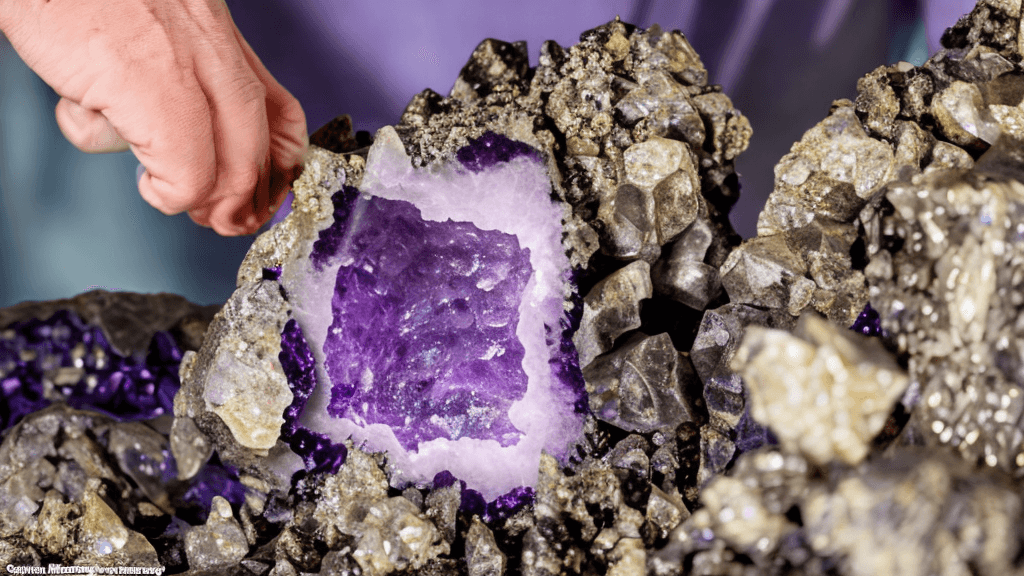
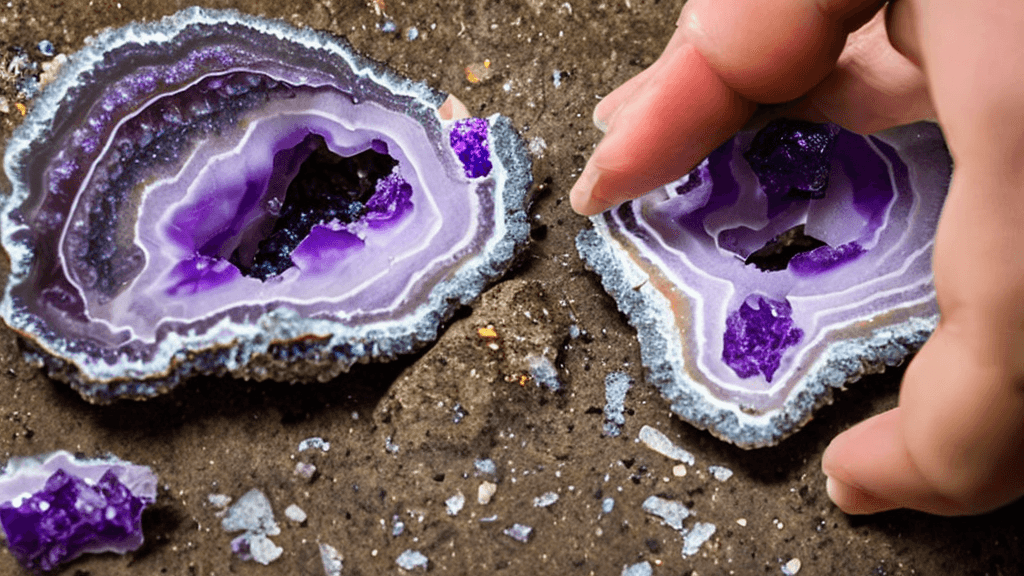
Before we dive into geode identification, let’s understand what makes these formations so special. Geodes are spherical to sub-spherical rock structures with hollow cavities lined with crystals, banding, or other mineral materials. Think of them as nature’s geodesic domes—hence the name.
How Geodes Form: A 100-Million-Year Process
Geodes typically form in volcanic and sedimentary environments through a fascinating sequence:
- **Void Creation**: Gas bubbles in volcanic rock or cavities in sedimentary formations create the initial hollow space
- **Mineral-Rich Water Circulation**: Groundwater carrying dissolved minerals (silica, calcite, dolomite, or others) seeps into these voids
- **Crystal Deposition**: Over millions of years, minerals precipitate out of solution, forming crystals that grow inward from the cavity walls
- **Complete Filling**: Some geodes remain hollow, while others become completely filled, forming nodules
The resulting crystals can include quartz (clear, smoky, or amethyst), calcite, dolomite, agate, jasper, or even rare minerals like celestite. This variety means geode identification requires understanding multiple mineral types.
Physical Properties for Geode Identification
When learning how to identify geodes, these measurable properties are your best friends:
Exterior Characteristics:
- **Shape**: Typically spherical, egg-shaped, or slightly flattened
- **Texture**: Bumpy, cauliflower-like, or botryoidal (grape-like) surface
- **Hardness**: 6.5-7 on Mohs scale (similar to quartz)
- **Weight**: Surprisingly light for their size due to the hollow cavity
- **Color**: Usually drab gray, brown, or tan limestone/dolomite rind
Interior Properties:
- **Crystal System**: Varies by mineral content (quartz = hexagonal, calcite = trigonal)
- **Luster**: Vitreous (glassy) to dull, depending on crystal development
- **Specific Gravity**: 2.6-2.7 for quartz geodes, 2.7-2.9 for calcite varieties
- **Transparency**: Crystal linings range from transparent to translucent
Pro tip: The weight test is often the quickest geode identification trick. A similarly-sized solid rock should feel noticeably heavier than a potential geode.
Where to Find Geodes: Prime Hunting Locations Worldwide
Successful geode hunting starts with knowing where to look. These formations occur in specific geological settings, so targeting the right areas dramatically increases your success rate.
Top US Geode Hunting Destinations
Keokuk, Iowa - The Geode Capital
- World-famous **Keokuk geodes** found in stream beds and road cuts
- Best spots: Skunk River, Des Moines River, and area quarries
- Contains quartz, chalcedony, and calcite crystals
- Collection season: Spring through fall when water levels are low
Dugway Geode Beds, Utah
- Located in western Utah’s desert region
- Abundant quartz and amethyst geodes
- BLM land allows casual collecting (check current regulations)
- Bring plenty of water and emergency supplies
Hauser Geode Beds, California
- Southern California’s famous geode locality
- 4WD recommended for access
- Beautiful agate and quartz crystal formations
- Best collected during cooler months
Other Notable US Locations:
- **Kentucky**: Livingston and Crittenden counties
- **Indiana**: Brown and Monroe counties
- **Missouri**: Lincoln and Pike counties
- **Nevada**: Virgin Valley opal geodes
- **Arizona**: Fire agate geodes in Cochise County
International Geode Hotspots
Mexico: Chihuahua’s famous amethyst geodes, some reaching several feet across
Brazil: Rio Grande do Sul produces spectacular purple amethyst cathedrals
Uruguay: Premium amethyst geodes with deep purple coloration
Morocco: Diverse agate and quartz geodes in Atlas Mountains
Namibia: Unique blue quartz and amethyst combinations
Reading the Landscape for Geode Hunting Success
When prospecting new areas, look for these geological indicators:
- **Limestone formations**: Especially areas with visible cavities or caves
- **Volcanic ash beds**: Look for rounded nodules weathering out of matrix
- **Stream beds**: Water erosion exposes geodes, making them easier to spot
- **Road cuts**: Fresh exposures reveal hidden geodes
- **Quarries**: Active extraction often brings geodes to the surface
Always obtain proper permissions before collecting on private property or in active quarries. Many prime locations require advance arrangements or have specific collecting rules.
How to Identify Geodes in the Field: Step-by-Step Process
Now for the practical part—how to identify geodes when you’re actually out hunting. This systematic approach eliminates guesswork and helps you distinguish genuine geodes from look-alikes.
The Visual Inspection Checklist
Step 1: Overall Shape Assessment
- Geodes maintain fairly consistent spherical shapes
- Look for egg-shaped or slightly flattened spheres
- Avoid angular or irregular shapes (likely just weathered limestone)
Step 2: Surface Texture Analysis
- Authentic geodes show botryoidal (grape-like) texture
- Surface appears bumpy or cauliflower-like
- May show small pockmarks or indentations
- Color typically ranges from light gray to tan
Step 3: The Weight Test
- Pick up the specimen and assess its heft
- Compare to similarly-sized solid rocks
- Geodes feel noticeably lighter due to hollow cavity
- If it feels too heavy, it’s probably solid throughout
Step 4: Sound Check
- Gently tap the rock with another stone or hammer
- Hollow geodes produce a distinct ringing sound
- Solid rocks make a dull thud
- Practice this technique to develop your ear
Step 5: Visual Clues
- Look for broken specimens showing crystal linings
- Check for small openings revealing internal structure
- Weathered geodes may show partial crystal exposure
Advanced Geode Identification Techniques
The Water Test
Submerge suspicious specimens in water. Geodes often show air bubbles escaping from tiny cracks or openings, confirming their hollow nature.
UV Light Examination
Some geode minerals fluoresce under UV light. Calcite geodes may glow red or pink, while certain quartz varieties show green fluorescence. This isn’t definitive but can provide additional clues.
Density Calculation
For serious collectors, calculate specific gravity:
- Weigh the specimen dry
- Suspend in water and weigh again
- Divide dry weight by weight difference
- Geodes typically show 2.6-2.7 SG for quartz varieties
Common Geode Look-Alikes and How to Avoid Them
Even experienced rockhounds occasionally mistake these formations for geodes. Learning to identify geodes means knowing what they’re not.
Primary Geode Imposters
Concretions
- Similar spherical shape but completely solid
- Formed by mineral precipitation around a nucleus
- Often show concentric banding when broken
- Feel heavier than comparable-sized geodes
Thundereggs
- Solid or partially hollow nodules
- Typically show star-shaped internal patterns
- Common in Oregon and other western states
- Generally have different external textures
Limestone Nodules
- Solid calcium carbonate formations
- Similar coloration to geode exteriors
- Break to reveal uniform, featureless interiors
- Lack crystal development
Septarian Nodules
- Show distinctive crack patterns (septaria)
- Often contain calcite crystals in cracks
- Generally more angular than geodes
- Different formation process
Simple Weathered Rocks
- Angular shapes with rounded edges
- No consistent spherical form
- Solid throughout when broken
- Lack defined crystal structures
The Break-Open Test: Your Final Confirmation
When visual identification remains uncertain, carefully breaking a suspected geode provides definitive answers. Choose specimens you’re willing to sacrifice, as this process destroys the specimen.
- **Score a line** around the specimen’s circumference
- **Apply gradual pressure** using a geode cracker or pipe cutter
- **Listen for cracking sounds** indicating cavity presence
- **Examine the interior** for crystal linings or banding
Remember: A true geode shows distinct crystal growth on interior walls, even if the cavity is partially filled.
Tools and Equipment for Successful Geode Hunting
Having the right gear makes geode hunting more productive and enjoyable. Here’s what successful collectors carry:
Essential Field Tools
Collection Equipment:
- Rock hammer or geologist’s pick
- Cold chisels in various sizes
- Geode cracker or pipe cutter (for safe opening)
- Collection buckets or bags
- GPS device or smartphone with [Rockhound app](https://getrockhound.com) for location tracking
Safety Gear:
- Safety goggles (absolutely essential)
- Heavy work gloves
- Steel-toed boots
- First aid kit
- Plenty of water and snacks
Identification Tools:
- Hand lens or loupe (10x magnification minimum)
- Small UV flashlight
- Pocket scale for weight assessment
- Steel nail for hardness testing
- Field notebook for recording locations and observations
Advanced Equipment for Serious Collectors
- Portable diamond saw for precision cutting
- Lapidary equipment for polishing displays
- Metal detectors for buried specimens
- Drone for scouting remote locations
- Rockhound app for GPS tracking and mineral identification assistance
Pro tip: The [Rockhound app](https://getrockhound.com) helps you track productive locations, identify potential geodes in the field, and build a digital collection of your finds. Its offline functionality is perfect for remote hunting locations.
How to Crack Open Geodes Safely and Effectively
Breaking geodes is both an art and science. Done correctly, you’ll reveal stunning crystal formations. Done poorly, you’ll destroy your treasure. Here’s how to crack open geodes like a pro.
Preparation: Setting Up for Success
Choose Your Method:
- **Pipe Cutter Method**: Best for beginners, provides clean breaks
- **Hammer and Chisel**: Traditional approach, requires skill
- **Geode Cracker**: Specialized tool for consistent results
- **Diamond Saw**: Professional method for valuable specimens
Safety First:
- Always wear safety goggles and gloves
- Work on a stable, flat surface
- Keep others at a safe distance
- Have first aid supplies handy
Step-by-Step Cracking Process
The Pipe Cutter Method:
- Place geode in pipe cutter, aligning blade with natural seam
- Tighten gradually, scoring the exterior
- Continue tightening until you hear cracking
- Rotate geode and repeat on opposite side
- Gently separate halves when crack completes
The Hammer and Chisel Technique:
- Score a line around geode’s circumference
- Position chisel in scored line
- Tap gently but firmly, rotating geode
- Listen for cracking sounds
- Continue until geode splits naturally
The Thermal Shock Method (Advanced):
- Heat geode evenly in oven at 200°F for 30 minutes
- Remove and immediately place in ice water
- Thermal stress often causes clean breaks
- This method requires experience and caution
Post-Crack Processing
After successfully opening your geode:
- **Document the find** with photos before cleaning
- **Remove loose debris** gently with soft brush
- **Rinse with water** if crystals can handle moisture
- **Dry thoroughly** to prevent water spots
- **Consider preservation** techniques for delicate specimens
Value and Collectibility: What Makes Geodes Worth Money?
Understanding geode value helps you prioritize which specimens to collect and when to invest in professional preparation. Several factors determine worth:
Value Determining Factors
Crystal Quality:
- **Amethyst geodes**: Most valuable, especially deep purple color
- **Clear quartz**: Common but valued for exceptional clarity
- **Rare minerals**: Celestite, agate, or unusual crystal habits command premium prices
- **Crystal size**: Larger crystals generally increase value
Aesthetic Appeal:
- **Color intensity**: Vivid colors outperform pale specimens
- **Crystal coverage**: Complete lining more valuable than partial
- **Symmetry**: Even, balanced formations preferred
- **Contrast**: Distinct color zoning enhances appeal
Size and Rarity:
- **Large specimens**: Over 12 inches significantly more valuable
- **Miniature geodes**: Under 2 inches popular with collectors
- **Unusual shapes**: Non-spherical forms can be premium
- **Provenance**: Documented famous localities add value
Market Values by Category
Common Quartz Geodes (2-4 inches): $5-25 retail
Amethyst Geodes (4-8 inches): $50-500 depending on quality
Large Display Specimens (12+ inches): $500-5000+ for exceptional pieces
Thumbnail Geodes (under 1 inch): $2-15 for perfect miniatures
Rare Mineral Geodes: $100-10000+ depending on mineral content
Building a Valuable Collection
Focus on quality over quantity. A few exceptional specimens outperform dozens of mediocre ones. Document your finds with location data, and consider professional preparation for your best discoveries. The [Rockhound app](https://getrockhound.com) helps catalog your collection with photos and GPS coordinates, essential for serious collectors.
Care and Maintenance of Your Geode Collection
Proper care preserves your geodes’ beauty and value. Different types require specific treatments:
Cleaning Guidelines by Mineral Type
Quartz Geodes:
- Safe to clean with water and mild detergent
- Use soft brush for stubborn dirt
- Avoid harsh chemicals or ultrasonic cleaners
- Dry completely to prevent water spots
Calcite Geodes:
- Much softer than quartz (Mohs 3)
- Clean gently with damp cloth only
- Never use acidic cleaners
- Handle minimally to prevent scratching
Amethyst Geodes:
- Can fade with prolonged sun exposure
- Store away from direct sunlight
- Clean with water only when necessary
- Avoid temperature extremes
Display and Storage Best Practices
Environmental Considerations:
- Maintain stable temperature and humidity
- Avoid direct sunlight for colored varieties
- Provide adequate support for large specimens
- Use museum wax to secure displays
Long-term Preservation:
- Document each specimen with photos and data
- Store in acid-free containers for valuable pieces
- Handle with cotton gloves to prevent oils transfer
- Rotate displays to prevent uneven fading
Historical and Cultural Significance of Geodes
Geodes have fascinated humans for millennia, appearing in mythology, folklore, and scientific discovery throughout history.
Ancient Beliefs and Uses
Greek Origins: The name "geode" comes from Greek "geoides," meaning earth-like. Ancient Greeks believed geodes were petrified eggs or thunderbolts.
Native American Traditions: Many tribes considered geodes sacred, using them in ceremonies and believing they held spiritual power.
Medieval Europe: Geodes were thought to be dragon eggs or fairy dwellings, often kept as protective talismans.
Scientific Importance
Geodes have contributed significantly to geological understanding:
- **Mineral formation studies**: Perfect examples of crystal growth processes
- **Paleoclimate research**: Contain ancient water and atmospheric information
- **Dating geological events**: Help establish formation timelines
- **Economic geology**: Indicate mineral-rich environments
Modern Cultural Impact
Today, geodes appear in:
- **Interior design**: Popular as natural art pieces
- **Jewelry**: Cut and polished geode slices in pendants and earrings
- **Educational tools**: Perfect for teaching mineralogy and geology
- **Metaphysical practices**: Believed to promote calm and clarity
Common Mistakes in Geode Identification (And How to Avoid Them)
Even experienced collectors sometimes misidentify specimens. Learning from these common errors improves your geode hunting success:
Identification Errors
Mistake 1: Assuming All Round Rocks Are Geodes
- **Reality**: Many spherical formations exist
- **Solution**: Apply systematic identification criteria
- **Check**: Weight, sound, and surface texture
Mistake 2: Breaking Open Every Suspicious Rock
- **Reality**: Destroys potentially valuable specimens
- **Solution**: Develop visual identification skills first
- **Check**: Multiple characteristics before sacrificing
Mistake 3: Overlooking Partial Geodes
- **Reality**: Weathered specimens may lack perfect shapes
- **Solution**: Look for crystal exposure or partial cavities
- **Check**: Remaining spherical characteristics
Collection Errors
Mistake 4: Ignoring Local Regulations
- **Reality**: Many areas restrict or prohibit collecting
- **Solution**: Research rules before hunting
- **Check**: Land ownership and collection permits
Mistake 5: Poor Documentation
- **Reality**: Location data significantly impacts value
- **Solution**: Record GPS coordinates and photos
- **Check**: Use apps like Rockhound for automatic tracking
Mistake 6: Improper Transportation
- **Reality**: Rough handling damages delicate crystals
- **Solution**: Use proper padding and support
- **Check**: Secure specimens to prevent shifting
Advanced Tips for Serious Geode Hunters
Ready to take your geode hunting to the next level? These advanced strategies separate casual collectors from serious prospectors:
Seasonal Optimization
Spring Advantages:
- Snowmelt exposes new specimens
- Stream levels optimal for water hunting
- Comfortable temperatures for fieldwork
Fall Benefits:
- Harvested fields reveal surface specimens
- Reduced vegetation improves visibility
- Stable weather conditions
Productive Hunting Strategies
Stream Systematics:
- Work upstream to locate source areas
- Focus on gravel bars and inside bends
- Check seasonal flood deposits
- Document productive patterns
Road Cut Reconnaissance:
- Examine fresh exposures after construction
- Look for weathered zones in limestone
- Check drainage ditches for transported specimens
- Time visits after rain when new material is exposed
Professional Networking:
- Join local rockhound clubs
- Attend mineral shows and swaps
- Build relationships with quarry operators
- Share information responsibly
Technology Integration
Modern geode hunting benefits from technological assistance:
Digital Mapping: Use geological survey data to identify promising formations
Satellite Imagery: Scout remote areas before field visits
Apps: Rockhound’s GPS tracking helps build location databases
Social Media: Connect with other collectors for location tips
Conclusion: Your Geode Hunting Journey Begins Now
Learning to identify geodes opens up a world of geological adventure. These natural treasures combine the thrill of discovery with scientific wonder, making them perfect for collectors of all ages and experience levels. Whether you’re searching Iowa’s famous Keokuk beds or exploring new locations in your area, the skills you’ve learned here will serve you well.
Remember, successful geode hunting combines knowledge, patience, and the right tools. Start with easily accessible locations, practice your identification skills, and gradually expand your horizons. Document your finds, build your collection thoughtfully, and always follow ethical collecting practices.
Ready to begin your geode hunting adventure? The [Rockhound app](https://getrockhound.com) provides GPS tracking, mineral identification assistance, and collection management tools to make every expedition more productive. Download it today and join thousands of rockhounds discovering Earth’s hidden treasures—one geode at a time.
Happy hunting, and may your next crack reveal crystalline perfection!
Ready to start hunting?
Download Rockhound and identify your finds instantly with AI-powered recognition. Track your expeditions with GPS and build your digital collection.
Download Rockhound