How to Identify Amethyst: Raw to Polished Expert Guide
Learn how to identify amethyst like a pro. This comprehensive guide covers physical properties, color variations, worldwide locations, and how to distinguish real amethyst from fakes and look-alikes.
In this article
# How to Identify Amethyst: From Raw Crystals to Polished Gems
The ultimate rockhound's guide to recognizing, valuing, and caring for nature's purple treasure
Amethyst—the royal purple quartz that has captivated humans for millennia—remains one of the most sought-after minerals for collectors and jewelry enthusiasts alike. But with sophisticated synthetics and clever look-alikes flooding the market, knowing how to identify genuine amethyst has never been more crucial.
Whether you're a beginner rockhound planning your first dig or an experienced collector evaluating a potential purchase, this comprehensive guide will transform you into an amethyst identification expert. We'll explore everything from the microscopic crystal structure to the subtle color variations that separate priceless specimens from common purple rocks.
Understanding Amethyst: More Than Just Purple Quartz
Before diving into identification techniques, let's establish what makes amethyst unique in the mineral kingdom. Amethyst is essentially purple quartz (SiO₂), but its distinctive coloration comes from trace amounts of iron and aluminum, combined with natural irradiation over millions of years.
The Science Behind the Purple
The characteristic purple hue that makes amethyst so desirable results from a complex interplay of elements:
- **Iron (Fe³⁺) ions** substitute for silicon in the crystal lattice
- **Natural irradiation** from surrounding rocks creates color centers
- **Aluminum impurities** enhance the purple coloration
- **Trace elements** like manganese can modify the shade
This process occurs deep within the Earth's crust, where temperatures, pressure, and radiation work together over geological time scales. Understanding this formation process helps explain why genuine amethyst has specific characteristics that imitators can't perfectly replicate.
Essential Physical Properties for Amethyst Identification
Mastering amethyst identification starts with understanding its fundamental physical properties. These characteristics serve as your first line of defense against fakes and misidentified specimens.
Hardness Testing: Your First Diagnostic Tool
Amethyst registers 7 on the Mohs hardness scale, making it surprisingly durable for jewelry and collection purposes. This hardness provides an excellent field test:
- **Steel knife blade** (5.5 Mohs): Cannot scratch genuine amethyst
- **Window glass** (5.5 Mohs): Amethyst will scratch glass easily
- **Steel file** (6.5 Mohs): Still won't mark authentic amethyst
- **Quartz point** (7 Mohs): Can scratch amethyst but with difficulty
Practical Testing Tip: Always test on an inconspicuous area of the specimen. Use the scratch test judiciously—never on polished stones or valuable specimens.
Crystal System and Habit Recognition
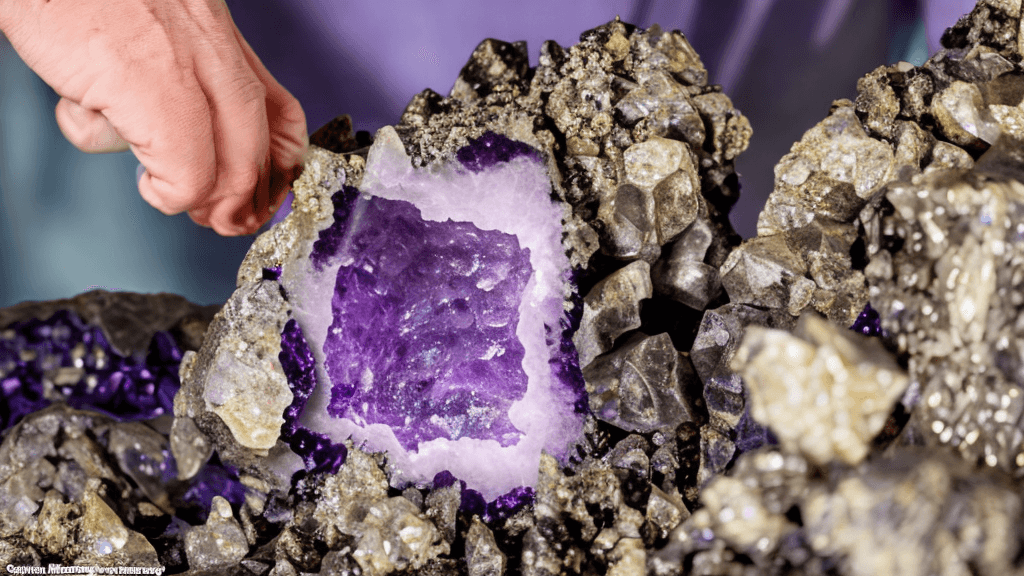
Amethyst crystallizes in the hexagonal (trigonal) crystal system, typically forming:
- **Six-sided prisms** with pyramid-shaped terminations
- **Drusy coatings** of small crystals lining cavities
- **Scepter formations** where larger crystals grow over smaller ones
- **Japanese twin law** crystals (rare but distinctive)
The crystal habit varies significantly based on formation conditions:
Basaltic Amethyst (common in Brazil, Uruguay):
- Forms in large geodes
- Deep, saturated purple colors
- Often shows color zoning
- Larger individual crystals
Hydrothermal Amethyst (found in alpine-type deposits):
- Smaller, more delicate crystals
- Lighter purple hues
- Often associated with other minerals
- Sharp, well-formed terminations
Specific Gravity and Density
Amethyst has a specific gravity of 2.65, identical to other quartz varieties. This property helps distinguish it from heavier look-alikes:
- **Purple fluorite**: 3.0-3.3 (noticeably heavier)
- **Lepidolite**: 2.8-2.9 (slightly heavier)
- **Sugilite**: 2.74-2.80 (marginally heavier)
Field Test: Experienced collectors can often "heft" specimens to detect unusual weight. A specimen that feels too heavy for its size warrants further investigation.
Optical Properties and Luster
Genuine amethyst displays several distinctive optical characteristics:
Luster: Vitreous (glass-like) on fresh surfaces, becoming waxy on weathered surfaces
Transparency: Transparent to translucent
Refractive Index: 1.544-1.553 (similar to other quartz varieties)
Pleochroism: Weak to moderate, showing different purple intensities when rotated
Optical Character: Uniaxial positive
Color Variations: Decoding Amethyst's Purple Spectrum
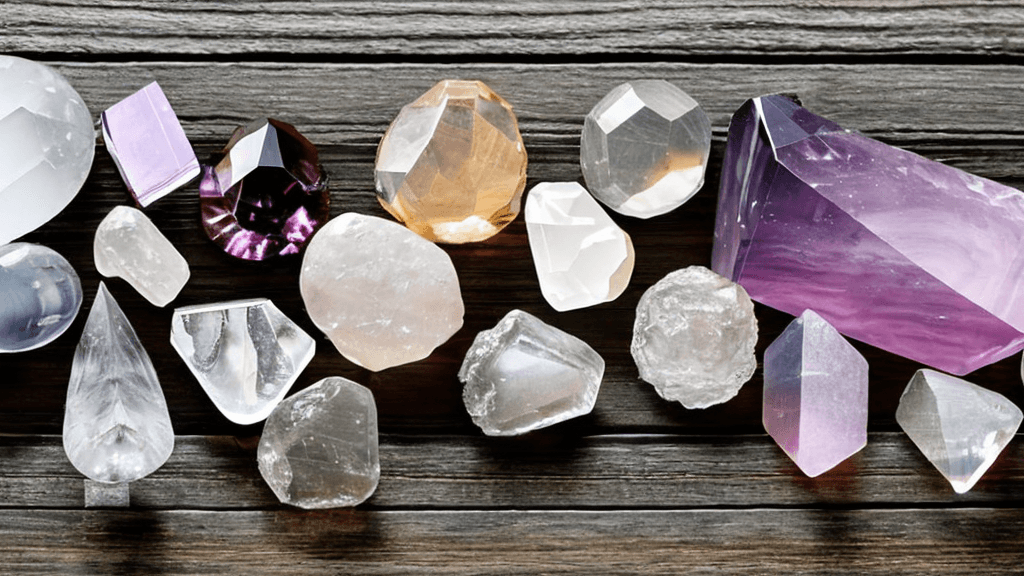
Understanding amethyst's color range is crucial for accurate identification. Natural amethyst displays a surprising variety of purple hues, each telling a story about its formation conditions.
Recognizing Natural Color Ranges
Primary Purple Variations:
- **Deep Siberian**: Rich purple with red flashes (most valuable)
- **Rose de France**: Light lilac to pinkish-purple
- **Uruguayan**: Deep purple with blue undertones
- **Brazilian**: Medium purple with good saturation
- **Zambian**: Deep purple with slight brown modifiers
Color Zoning: Nature's Fingerprint
One of amethyst's most diagnostic features is color zoning—areas of different color intensity within the same crystal:
- **Parallel banding** following crystal faces
- **Chevron patterns** in cross-section
- **Phantom zones** showing growth stages
- **Surface-deep coloration** (natural stones show color throughout)
Identification Tip: Synthetic amethyst often shows uniform color or artificial zoning patterns that don't follow natural crystal growth.
What Causes Color Variations
Several factors influence amethyst's final color:
- **Iron concentration**: Higher iron = deeper purple (up to a point)
- **Irradiation intensity**: More radiation = darker color
- **Formation temperature**: Cooler temperatures preserve purple color
- **Geological age**: Older specimens often show color fading
- **Geographic origin**: Different deposits have characteristic colors
Common Color Treatments and Enhancements
Unfortunately, the amethyst market includes numerous treated and enhanced stones. Common treatments include:
Heat Treatment:
- Converts purple amethyst to yellow citrine
- Creates bi-color ametrine (amethyst-citrine)
- May intensify or lighten purple colors
- **Detection**: Heat-treated stones often show subtle color uniformity
Irradiation Enhancement:
- Deepens pale purple colors
- Creates green "prasiolite" from amethyst
- **Detection**: Enhanced stones may show unnatural color saturation
Dyeing:
- Low-quality quartz dyed purple
- Color concentrates in cracks and fractures
- **Detection**: Dye concentrates in surface cracks; acetone may remove color
Geographic Sources: Where to Find Amethyst Worldwide
Understanding where amethyst naturally occurs helps validate specimens and plan collecting trips. Each major deposit produces amethyst with distinctive characteristics.
Premier Worldwide Localities
Brazil: The World's Amethyst Capital
- **States**: Rio Grande do Sul, Minas Gerais, Bahia
- **Characteristics**: Large geodes, deep purple color, good transparency
- **Notable Features**: Often forms in enormous volcanic geodes weighing tons
- **Collecting Status**: Commercial mining; limited recreational opportunities
Uruguay: Deep Purple Excellence
- **Deposits**: Artigas, Rivera, Salto regions
- **Characteristics**: Extremely dark purple, small but perfect crystals
- **Notable Features**: Often shows spectacular color zoning
- **Market Position**: Premium specimens command highest prices
Zambia: African Excellence
- **Primary Mine**: Kariba Mine, Mapatizya area
- **Characteristics**: Deep purple with slight brown modifiers
- **Notable Features**: Often forms in unique crystal habits
- **Collecting Status**: Commercial operations only
Russia: Historic Siberian Material
- **Historical Sources**: Ural Mountains, Siberia
- **Characteristics**: Rich purple with red flashes ("Siberian" color)
- **Notable Features**: Historic source of finest gem material
- **Current Status**: Largely depleted, specimens in old collections
United States Amethyst Locations
The Carolinas: Classic American Localities
North Carolina:
- **Hiddenite area**: Beautiful purple crystals in mica schist
- **Spruce Pine district**: Associated with feldspar mining
- **Characteristics**: Medium purple, often in clusters
- **Access**: Some fee-collecting sites available
South Carolina:
- **Anderson County**: Historic amethyst locality
- **Characteristics**: Pale to medium purple in granite cavities
- **Collecting**: Limited public access, mostly private land
Georgia: The Graves Mountain Experience
- **Location**: Lincoln County, Georgia
- **Characteristics**: Unique twinned crystals, purple quartzite
- **Access**: Periodic club field trips, excellent for families
- **Notable**: Type locality for several rare mineral associations
Maine: New England Treasures
- **Deer Hill**: Famous for amethyst-smoky quartz combinations
- **Characteristics**: Pale purple, often in pegmatite cavities
- **Access**: Fee site open seasonally
- **Bonus**: Beautiful Maine scenery and hospitality
Arizona: Desert Purple
- **Four Peaks**: Arizona's premier amethyst locality
- **Characteristics**: Deep purple in remote mountain location
- **Access**: Extremely difficult, requires 4WD and hiking
- **Note**: Active mining claim, permission required
Emerging and Lesser-Known Localities
Canada: Ontario and Nova Scotia produce fine specimens
Mexico: Guerrero state yields unique amethyst
India: Recent discoveries in Maharashtra
South Korea: Historic but limited production
Namibia: Unique scepter formations
Distinguishing Amethyst from Similar Minerals
Accurate amethyst identification requires knowing its most common imitators and look-alikes. Many purple minerals can fool inexperienced collectors.
Primary Amethyst Confusion Minerals
Purple Fluorite
- **Hardness**: 4 (much softer than amethyst)
- **Crystal habit**: Cubic crystals
- **Cleavage**: Perfect octahedral cleavage
- **Luster**: Vitreous but softer appearance
- **Specific gravity**: 3.0-3.3 (heavier)
- **Field test**: Steel knife easily scratches fluorite
Lepidolite
- **Hardness**: 2.5-3 (very soft)
- **Crystal habit**: Micaceous sheets
- **Cleavage**: Perfect basal cleavage
- **Luster**: Pearly to vitreous
- **Color**: Pinkish-purple to lavender
- **Field test**: Peels into thin sheets, feels greasy
Sugilite
- **Hardness**: 5.5-6.5 (softer than amethyst)
- **Appearance**: Massive, rarely crystalline
- **Color**: Purple to pinkish-purple
- **Luster**: Vitreous to dull
- **Occurrence**: Rare, expensive when gem-quality
- **Price**: Much more expensive than amethyst
Charoite
- **Hardness**: 5-6
- **Appearance**: Fibrous, chatoyant
- **Color**: Purple with swirling patterns
- **Luster**: Silky to vitreous
- **Occurrence**: Only from Russia
- **Pattern**: Distinctive fibrous appearance
Purple Jasper/Chalcedony
- **Composition**: Microcrystalline quartz
- **Hardness**: 6.5-7 (similar)
- **Appearance**: Opaque, massive
- **Luster**: Waxy to dull
- **Structure**: No visible crystals
- **Formation**: Different from crystalline amethyst
Synthetic and Treated Amethyst Detection
Synthetic Quartz Characteristics:
- **Color uniformity**: Often too perfect
- **Growth features**: May show synthetic growth patterns
- **Inclusions**: Different from natural inclusions
- **Price**: Suspiciously inexpensive for size/quality
- **Availability**: Large quantities of matching stones
Dye Detection Methods:
- **Concentration**: Color concentrated in cracks
- **Acetone test**: May remove dye (destructive test)
- **Magnification**: Dye pooling in fractures
- **Filter testing**: Chelsea filter may show dye reaction
Common Amethyst Identification Mistakes
Even experienced collectors make errors when identifying amethyst. Understanding these common pitfalls will save you from expensive mistakes.
Field Identification Errors
Assuming All Purple Quartz is Amethyst
- Purple quartzite is metamorphic, not amethyst
- Purple chalcedony lacks crystal structure
- Fluorite quartz mixtures can be confusing
Overreliance on Color Alone
- Other purple minerals exist
- Lighting affects purple appearance
- Photography can misrepresent color
- Treated stones may have "perfect" color
Ignoring Local Geology
- Know what minerals occur in your area
- Some regions lack natural amethyst
- Similar-looking regional minerals exist
- Geological maps help eliminate confusion
Purchase and Collection Mistakes
Trusting Labels Without Verification
- Dealers may misidentify specimens
- Old labels may be incorrect
- Cross-reference with reliable sources
- When in doubt, consult experts
Not Considering Treatment
- Assume enhancement until proven otherwise
- Price should reflect natural origin
- Ask direct questions about treatment
- Get significant purchases authenticated
Focusing Only on Size
- Large doesn't always mean valuable
- Small perfect crystals can be worth more
- Quality over quantity for specimens
- Consider damage and completeness
Value and Collectibility: What Makes Amethyst Valuable
Understanding amethyst value factors helps collectors make informed decisions and appreciate their finds' true worth.
Value Factors for Specimen Collectors
Color Intensity and Distribution
- Deep purple commands highest prices
- Even color distribution preferred
- Natural color zoning can add interest
- Avoid obviously treated specimens
Crystal Size and Quality
- Larger crystals generally more valuable
- Damage significantly reduces value
- Terminated crystals worth more
- Matrix specimens often preferred
Rarity and Provenance
- Classic localities command premiums
- Historic specimens have added value
- Rare habits or associations valuable
- Documented provenance important
Aesthetic Appeal
- Overall specimen balance
- Crystal arrangement
- Matrix contrast
- Display potential
Gem-Quality Amethyst Considerations
The Four Cs for Amethyst
Color (Most Important):
- Deep purple with red flashes (Siberian)
- No brown or gray modifiers
- Consistent color throughout
- No obvious color treatments
Clarity:
- Eye-clean stones preferred
- Minor inclusions acceptable
- No surface-reaching fractures
- Good transparency essential
Cut:
- Proper proportions for brilliance
- Minimal weight retention focus
- Good symmetry and polish
- Appropriate for color depth
Carat Weight:
- Larger clean stones rare
- Price per carat increases with size
- Quality more important than size
- Practical wearing size considered
Market Pricing Realities
Commercial Quality ($5-50/carat):
- Light to medium purple
- Small to medium sizes
- Minor inclusions acceptable
- Standard cutting
Fine Quality ($50-200/carat):
- Deep purple color
- Clean stones
- Good cutting
- Premium localities
Exceptional Quality ($200+/carat):
- Siberian-grade color
- Large clean stones
- Master cutting
- Rare provenance
Specimen Pricing (Highly Variable):
- $5-50: Small damaged crystals
- $50-500: Good cabinet specimens
- $500-5000: Fine display pieces
- $5000+: Museum-quality specimens
Care and Cleaning: Preserving Your Amethyst Collection
Proper care ensures your amethyst specimens remain beautiful for generations. Different specimen types require specific care approaches.
Basic Amethyst Care Principles
Understanding Amethyst's Limitations
- Hard but brittle (will chip if dropped)
- Can fade with prolonged UV exposure
- Sudden temperature changes may fracture
- Some chemicals can damage surface
Safe Cleaning Methods
For Crystals and Specimens:
- Dust gently with soft brush
- Rinse with lukewarm water
- Mild dish soap if needed
- Air dry or pat gently
- Avoid ultrasonic cleaners
For Jewelry:
- Remove during strenuous activity
- Clean with mild soap solution
- Soft brush for settings
- Rinse thoroughly
- Professional cleaning annually
Advanced Preservation Techniques
Storage Solutions
- Individual wrapping for specimens
- Acid-free tissue paper preferred
- Avoid plastic for long-term storage
- Climate-controlled environment
- Minimal light exposure
Display Considerations
- Stable, dust-free environment
- Indirect lighting only
- Secure mounting for specimens
- Rotation for valuable pieces
- UV-filtering glass if possible
Damage Prevention Strategies
Common Hazards to Avoid
- Direct sunlight exposure
- Extreme temperature fluctuations
- Household chemicals
- Ultrasonic cleaning devices
- Abrasive cleaning materials
Professional Conservation
- Document condition regularly
- Address problems immediately
- Consult experts for damage
- Consider professional restoration
- Maintain detailed records
Historical and Cultural Significance of Amethyst
Amethyst's rich history adds depth to any collection. Understanding its cultural significance enhances appreciation for this remarkable mineral.
Ancient Civilizations and Amethyst
Egyptian Culture (3000 BCE)
- Used in jewelry and amulets
- Believed to protect against poison
- Found in royal tombs
- Associated with royal power
Greek and Roman Periods
- Name means "not intoxicated" in Greek
- Believed to prevent drunkenness
- Carved drinking vessels from amethyst
- Popular in signet rings
Biblical References
- One of twelve breastplate stones
- Represented one of Israel's tribes
- Symbolized spiritual wisdom
- Associated with apostles
Medieval and Renaissance Significance
Religious Importance
- Bishops' rings traditionally amethyst
- Symbolized piety and spiritual wisdom
- Used in rosaries and religious objects
- Represented heavenly aspects
Royal Connections
- Crown jewels often included amethyst
- Symbol of royalty and power
- More valuable than diamonds historically
- Restricted to noble classes
Modern Cultural Impact
Metaphysical Beliefs
- February birthstone
- Associated with spiritual growth
- Believed to enhance intuition
- Popular in meditation practices
Contemporary Symbolism
- Sobriety and addiction recovery
- Spiritual awareness
- Royal dignity
- Inner peace and balance
Building Your Amethyst Collection: Practical Strategies
Smart collecting strategies help build meaningful collections while avoiding common pitfalls.
Starting Your Collection
Set Clear Goals
- Focus on specific localities
- Collect by crystal habit
- Target specific colors
- Build themed displays
Budget Considerations
- Start with affordable specimens
- Learn before investing heavily
- Quality over quantity
- Save for exceptional pieces
Educational Approach
- Visit museums and shows
- Join mineral clubs
- Attend field trips
- Study reference books
Advanced Collecting Strategies
Specialization Benefits
- Become expert in niche area
- Develop relationships with dealers
- Recognize exceptional specimens
- Build valuable collections
Documentation Importance
- Maintain detailed records
- Photograph specimens
- Keep purchase information
- Document locality data
Networking for Success
- Connect with other collectors
- Build dealer relationships
- Attend major shows
- Participate in online communities
Using Technology for Amethyst Identification
Modern technology offers powerful tools for amethyst identification, with smartphone apps making advanced techniques accessible to everyday collectors.
Digital Identification Tools
The [Rockhound app](https://getrockhound.com) revolutionizes field identification by allowing instant mineral analysis using your iPhone's camera. Simply photograph your purple find, and the AI-powered system compares it against hundreds of documented amethyst varieties, helping distinguish real specimens from look-alikes like purple fluorite or lepidolite.
Beyond Basic Photography
Modern rockhounds combine traditional testing with technological verification. The Rockhound app includes specific gravity calculators, hardness reference charts, and detailed crystal structure diagrams that work offline—essential when hunting in remote locations without cell service.
GPS Integration for Serious Collectors
Documenting find locations proves crucial for serious collections. The app's GPS tracking creates detailed breadcrumb trails of your collecting expeditions while maintaining privacy about specific productive sites.
Conclusion: Your Journey to Amethyst Expertise
Mastering amethyst identification combines scientific knowledge, practical experience, and continuous learning. From understanding the hexagonal crystal structure that defines all quartz varieties to recognizing the subtle color zoning that separates natural specimens from synthetics, each identification skill builds upon previous knowledge.
Remember that even experts occasionally encounter challenging specimens. When uncertainty arises, consult multiple resources, seek expert opinions, and consider advanced testing methods. The mineral collecting community remains remarkably generous with knowledge—experienced collectors often enjoy helping newcomers develop their identification skills.
Whether you're evaluating a potential purchase, planning your next collecting adventure, or simply admiring nature's purple artistry, this guide provides the foundation for confident amethyst identification. Keep learning, stay curious, and enjoy the lifelong journey of mineral discovery.
Ready to transform your rockhounding adventures? Download the Rockhound app today to access AI-powered mineral identification, GPS expedition tracking, and comprehensive mineral database—all working offline for your most remote collecting adventures. Join thousands of collectors who've already discovered how technology enhances traditional rockhounding skills.
Happy hunting, and may your next expedition reveal nature's most beautiful purple treasures!
Ready to start hunting?
Download Rockhound and identify your finds instantly with AI-powered recognition. Track your expeditions with GPS and build your digital collection.
Download Rockhound