How to Identify Fossils: A Beginner's Complete Guide
Master fossil identification with our beginner-friendly guide. Learn to recognize different types of fossils, distinguish them from rocks and minerals, and discover the best fossil hunting locations. Plus, find out how the Rockhound app can help identify your fossil finds instantly.
In this article
- What Are Fossils and How Do They Form?
- Physical Properties for Fossil Identification
- Color Variations in Fossils and Their Causes
- Where to Find Fossils: Prime Hunting Locations
- Distinguishing Fossils from Similar-Looking Rocks
- Types of Fossils You'll Encounter
- Common Fossil Identification Mistakes
- Fossil Value and Collectibility
- Fossil Care and Cleaning Instructions
- Historical and Cultural Significance of Fossils
- Using Technology to Identify Fossils
# How to Identify Fossils: A Beginner's Complete Guide
Ever picked up an interesting rock and wondered "is this a fossil?" You're not alone. Fossil identification is both an art and a science that combines careful observation with geological knowledge. Whether you're exploring creek beds, hiking through canyons, or examining your grandfather's rock collection, knowing how to identify fossils opens up a fascinating window into Earth's prehistoric past.
This comprehensive guide will teach you everything you need to know about fossil identification, from basic recognition techniques to advanced distinguishing features. By the end, you'll confidently answer the question "is this a fossil?" and know exactly what type of fossil you've discovered.
What Are Fossils and How Do They Form?
Before diving into fossil identification techniques, it's essential to understand exactly what fossils are and how they form. This foundational knowledge will help you distinguish true fossils from pseudofossils (rocks that merely resemble fossils).
Fossils are the preserved remains, impressions, or traces of once-living organisms. These remarkable time capsules form through specific geological processes that occur over thousands to millions of years. The fossilization process typically requires rapid burial, mineral replacement, and specific environmental conditions including pressure, temperature, and chemical composition.
The Fossilization Process
Understanding fossil formation helps explain why certain characteristics appear in genuine fossils:
• Rapid burial: Organisms must be quickly covered by sediment to prevent decomposition
• Mineral replacement: Groundwater rich in minerals gradually replaces organic material
• Pressure and time: Sediment layers compress and harden into rock over millennia
• Chemical conditions: Specific pH levels and mineral availability determine preservation quality
Types of Fossil Preservation
Different preservation methods create distinct fossil types you'll encounter while fossil hunting:
Permineralization: Minerals fill cellular spaces, creating detailed internal structures. Common in petrified wood and dinosaur bones.
Casts and Molds: Original organic material dissolves, leaving a cavity (mold) that later fills with minerals (cast).
Original Material: Rare freezing, desiccation, or amber preservation maintains original organic material.
Carbon Films: Thin carbon residue preserves plant outlines and delicate structures.
Trace Fossils: Footprints, burrows, and other activity traces fossilize without preserving the organism itself.
Physical Properties for Fossil Identification
Learning to identify fossils requires understanding their physical characteristics. Unlike minerals with consistent chemical compositions, fossils vary dramatically based on the original organism and preservation method. However, several key properties help distinguish fossils from ordinary rocks.
Hardness and Density
Fossil hardness varies depending on the minerals replacing original organic material:
• Calcite replacement: Softer fossils (Mohs 3) often appear in limestone
• Silica replacement: Harder fossils (Mohs 7) like petrified wood resist weathering
• Pyrite replacement: Metallic luster fossils (Mohs 6-6.5) feel unusually heavy
Test hardness by attempting to scratch the specimen with common items: fingernail (2.5), copper penny (3.5), steel nail (5.5). True fossils typically resist scratching more than surrounding rock.
Surface Texture and Structure
Examine surface characteristics carefully:
Organic patterns: Look for repeating structures, growth rings, or cellular arrangements
Symmetry: Many organisms display bilateral or radial symmetry absent in rocks
Surface details: Genuine fossils preserve fine details like growth lines, pores, or surface ornamentation
Break patterns: Fossils often break differently than surrounding matrix, revealing internal structures
Specific Gravity and Weight
Fossils frequently feel heavier or lighter than expected:
• Pyritized fossils: Feel unusually heavy due to iron content
• Carbonized fossils: Feel light due to organic carbon replacement
• Silicified fossils: Normal weight but harder than surrounding rock
Compare suspected fossils with similar-sized rocks from the same location.
Color Variations in Fossils and Their Causes
Fossil color provides crucial identification clues, revealing both the original organism and replacement minerals. Understanding color variations helps distinguish genuine fossils from similarly-colored rocks.
Common Fossil Colors and Their Origins
Black and Dark Brown: Usually indicates carbon preservation from original organic material. Common in plant fossils, fish, and marine invertebrates.
White and Cream: Typically calcite or aragonite replacement. Common in shells, corals, and marine fossils preserved in limestone.
Red, Orange, and Yellow: Iron oxide staining from groundwater. Often appears as halos around fossils or fills pore spaces.
Green: Glauconite mineral presence, common in marine sediment fossils.
Gray: Silica replacement, creating detailed preservation in various environments.
Color Patterns and Distribution
Examine how color appears throughout the specimen:
• Uniform color: Suggests single mineral replacement
• Zoned patterns: May indicate multiple replacement phases
• Concentrated edges: Often shows where groundwater entered/leached
• Internal patterns: Reveal original biological structures
Weathering Effects on Fossil Color
Surface weathering can dramatically alter fossil appearance:
• Desert environments: Create light, bleached surfaces
• Wet climates: Promote iron staining and darker colors
• Freeze-thaw cycles: Cause surface spalling and color changes
• Chemical weathering: Remove original colors, leaving only texture
Look for unweathered areas (broken surfaces) to determine original fossil color.
Where to Find Fossils: Prime Hunting Locations
Successful fossil hunting requires knowing where to look. While fossils occur worldwide, certain geological formations and environments consistently yield specimens. Understanding these locations dramatically improves your chances of finding fossils.
Worldwide Fossil Hotspots
Marine Sedimentary Basins: Ancient sea beds preserve abundant marine life
• Morocco's Sahara Desert: Trilobites, ammonites, and fish
• Germany's Solnhofen Limestone: Archaeopteryx and detailed fossils
• China's Liaoning Province: Feathered dinosaurs and early birds
Ancient River Systems: Preserve terrestrial plants and animals
• Wyoming's Green River Formation: Fish and plant fossils
• Egypt's Fayum Depression: Early whale ancestors
• Argentina's Patagonia: Dinosaurs and prehistoric mammals
Former Lake Environments: Create exceptional preservation conditions
• Russia's Lake Baikal region: Ancient lake organisms
• Kenya's Rift Valley: Early human ancestors
• Australia's Lightning Ridge: Opalized fossils
Best Fossil Hunting Locations in the United States
America offers incredible fossil hunting opportunities across diverse geological formations:
Western States: Rich in marine and terrestrial fossils
• Montana: Hell Creek Formation (T-Rex country!)
• Utah: Dinosaur National Monument and fossil-rich strata
• Wyoming: Green River Formation's famous fish fossils
• Colorado: Florissant Fossil Beds' detailed plant and insect fossils
Eastern Seaboard: Abundant marine fossils
• Florida: Shark teeth capital of the world
• Virginia/Maryland: Miocene marine fossils
• New York: Trilobites in ancient seabeds
Gulf Coast: Fossil-rich marine deposits
• Texas: Dinosaur tracks and marine fossils
• Louisiana: Petrified wood and marine specimens
Finding Fossils Near You
Discover local fossil sites by:
- **Research geological maps**: Identify sedimentary rock formations in your area
- **Contact local museums**: They often provide fossil site information
- **Join fossil clubs**: Members share prime locations and hunting tips
- **Check road cuts and construction sites**: Fresh exposures reveal fossils
- **Visit creek beds and eroded areas**: Water exposes buried specimens
Remember to check local regulations before collecting - many areas prohibit fossil removal without permits.
Distinguishing Fossils from Similar-Looking Rocks
One of the most challenging aspects of fossil identification is distinguishing genuine specimens from rocks that merely resemble fossils. These "pseudofossils" can fool even experienced collectors, making careful examination crucial.
Common Pseudofossils and How to Avoid Them
Concretions: Round, fossil-like formations
• Often mistaken for dinosaur eggs or marine fossils
• Lack internal structure or organic patterns
• Break open to reveal uniform material throughout
Dendrites: Mineral patterns resembling plants
• Black manganese oxide branching patterns
• Always two-dimensional, never three-dimensional
• Lack cellular structure or organic detail
Septarian Nodules: Cracked mud formations
• Radiating patterns mistaken for fossil structures
• Uniform mineral filling throughout cracks
• No biological organization or symmetry
Weathering Patterns: Natural rock erosion
• Random patterns lack biological organization
• No consistent symmetry or structure
• Vary based on rock type, not organism type
Key Differences Between Fossils and Rocks
Symmetry: Genuine fossils display biological symmetry absent in pseudofossils
Detail Level: Fossils preserve fine organic structures; pseudofossils show only general shapes
Consistency: Fossil patterns repeat in related specimens; pseudofossils vary randomly
Context: True fossils match known biological forms; pseudofossils create impossible shapes
Testing Techniques for Fossil Verification
Apply these tests to verify fossil authenticity:
- **Magnification examination**: Look for cellular structure, growth lines, or organic patterns
- **Acid test**: Dilute vinegar reacts with calcite fossils but not most pseudofossils
- **UV light**: Some fossils fluoresce differently than surrounding rock
- **Density comparison**: Fossils often differ in weight from similar-sized rocks
- **Break test**: Internal structure reveals preservation patterns in genuine fossils
Types of Fossils You'll Encounter
Understanding major fossil categories helps narrow identification possibilities. Each type displays characteristic features and preservation methods that aid identification.
Body Fossils: Preserved Organisms
Invertebrate Fossils: Most common fossils
• Trilobites: Segged marine arthropods with three-lobed bodies
• Brachiopods: Shell fossils resembling clams but with different symmetry
• Corals: Hexagonal patterns or branching structures
• Crinoids: Star-shaped segments often called "Indian money"
Vertebrate Fossils: Rare but exciting finds
• Shark teeth: Triangular, serrated, and enamel-coated
• Fish: Scales, bones, and complete specimens in lake deposits
• Dinosaurs: Bones, teeth, and eggshell fragments
• Mammals: Teeth and bones in Cenozoic deposits
Plant Fossils: Abundant in certain formations
• Petrified wood: Shows cell structure and growth rings
• Leaves: Detailed vein patterns and margins
• Ferns: Characteristic branching patterns
• Pine cones: Scaly texture and spiral arrangement
Trace Fossils: Activity Preserved
Footprints: Dinosaur and mammal trackways
• Show toe arrangement and stride patterns
• Often appear as natural casts or molds
• Can indicate animal size and behavior
Burrows: Underground activity records
• Tubular structures in ancient sediments
• Vary in diameter and branching pattern
• Indicate ancient soil conditions
Coprolites: Fossilized feces
• Spiral or cylindrical shapes
• May contain bone fragments or scales
• Reveal ancient diets
Microfossils: Tiny but Important
Foraminifera: Shell-like marine organisms
• Sand-grain sized with chambered structures
• Indicate ancient ocean conditions
• Often abundant in limestone
Pollen and Spores: Plant reproduction evidence
• Require microscope for identification
• Reveal ancient plant communities
• Indicate past climate conditions
Common Fossil Identification Mistakes
Even experienced rockhounds make identification errors. Learning from common mistakes saves time and prevents embarrassing misidentifications.
Top Fossil ID Errors Beginners Make
Mistaking Minerals for Fossils
• Pyrite cubes look like fossilized seeds
• Calcite crystals resemble fossilized shells
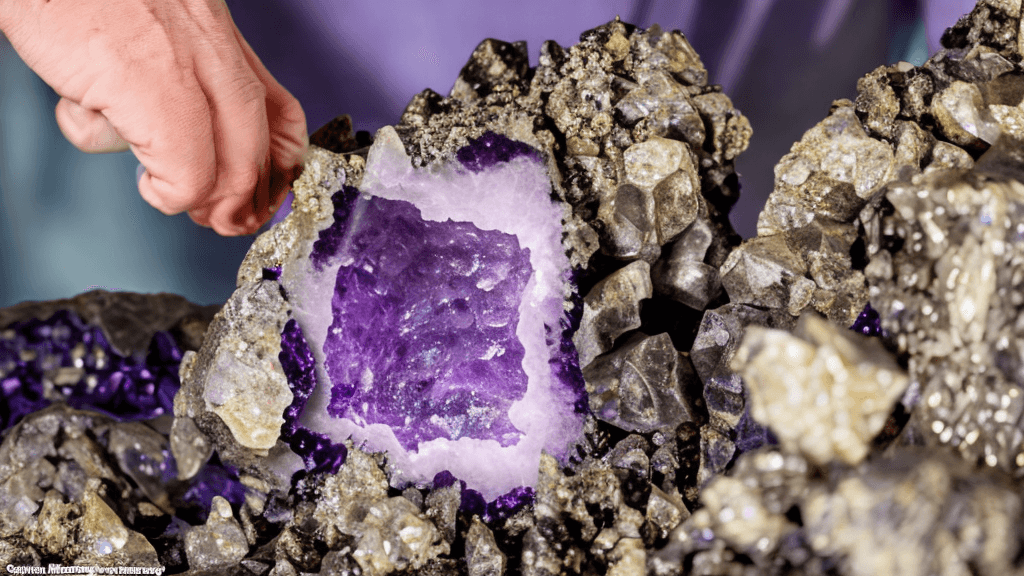
• Quartz geodes appear as fossilized eggs
Overlooking Genuine Fossils
• Dismissing common fossils as "just rocks"
• Missing small or partial specimens
• Ignoring trace fossils that lack obvious organic shapes
Misidentifying Modern Objects
• Recent shells mistaken for fossils
• Modern bone fragments confused with fossils
• Human artifacts misidentified as fossils
How to Avoid Identification Errors
Systematic Approach: Follow consistent identification steps
- Note location and geological context
- Document all visible characteristics
- Compare with known fossil types
- Consult multiple reference sources
- Seek expert opinions when uncertain
Equipment Essentials: Carry proper tools
• Hand lens (10x magnification minimum)
• Field guides for your region
• Camera for documentation
• Steel probe for careful cleaning
• Sample bags and labels
When in Doubt: Preservation strategies
• Keep questionable specimens for later study
• Photograph specimens in situ before collection
• Record GPS coordinates if possible
• Note associated rock types and fossils
• Consult local experts or museums
Fossil Value and Collectibility
Understanding fossil value helps prioritize collection efforts and prevents overpaying for common specimens. While monetary value varies, educational and scientific value remains constant.
Factors Affecting Fossil Value
Scientific Importance: Rare or significant specimens
• New species or unusual preservation
• Complete specimens with articulated skeletons
• Fossils showing behavior (predation, nesting)
• Type specimens (first of their kind documented)
Size and Completeness: Bigger often means better
• Complete trilobites worth more than fragments
• Large specimens display better
• Articulated skeletons command premium prices
Preservation Quality: Detail and condition matter
• Three-dimensional preservation
• Minimal restoration or repair
• Original shell/skeleton material
• Clear surface details and structures
Preparation Quality: Professional vs. amateur work
• Matrix removal reveals specimen beauty
• Repairs should be minimal and disclosed
• Mounting affects display value
Common vs. Rare Fossils
Abundant Fossils: Great for learning
• Crinoid segments ($1-10 each)
• Brachiopods ($1-20 depending on size)
• Shark teeth ($5-50 based on size/species)
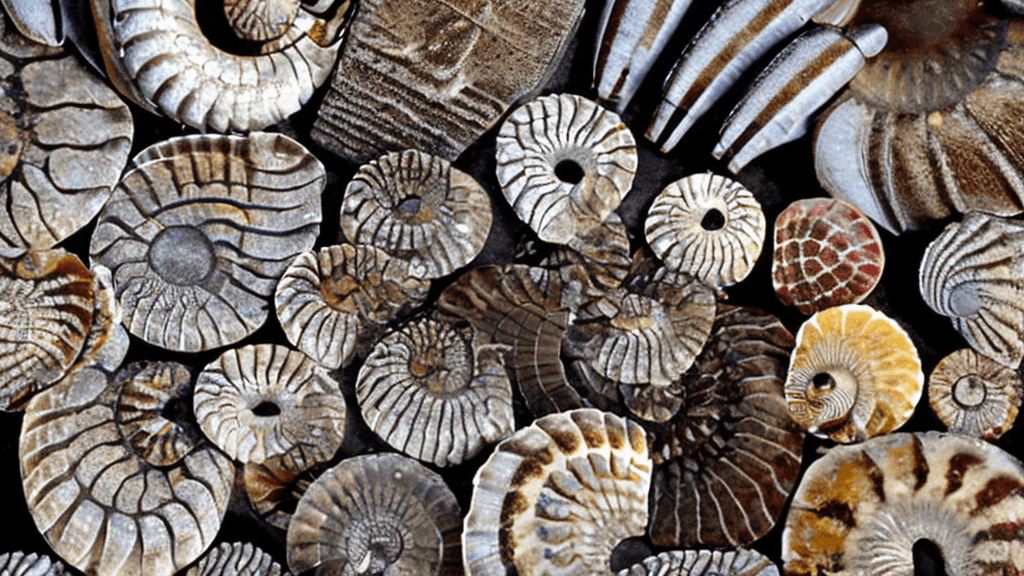
• Ammonites ($10-100+ based on size/preservation)
Moderately Rare: Worth seeking
• Complete trilobites ($50-500+)
• Fish fossils ($100-1000+)
• Plant fossils with detail ($50-300)
• Dinosaur bone fragments ($20-200)
Rare and Valuable: Museum-quality specimens
• Complete dinosaur skeletons ($10,000-$1,000,000+)
• Early human fossils (priceless/illegal to collect)
• Exceptionally preserved specimens ($1000+)
Building a Valuable Collection
Start Common: Build skills with abundant fossils
• Learn preparation techniques
• Develop identification skills
• Understand market values
• Build reference collection
Specialize: Focus collection efforts
• Geographic regions
• Specific fossil types
• Time periods
• Preservation styles
Document Everything: Maintain proper records
• Collection locality and date
• Geological formation
• Associated species
• Preparation notes
• Purchase information
Fossil Care and Cleaning Instructions
Proper fossil care preserves specimens for future study and display. Different fossil types require specific cleaning and preservation techniques based on their composition and preservation method.
Basic Fossil Cleaning Techniques
Mechanical Cleaning: Manual removal of matrix
• Use dental picks for precision work
• Soft brushes remove loose sediment
• Pin vises hold specimens securely
• Work under magnification for detail
Chemical Cleaning: Dissolving unwanted matrix
• Acetic acid (vinegar) for carbonate fossils
• Hydrochloric acid for siliceous fossils
• Always test on small areas first
• Neutralize acid after treatment
Safety Considerations: Protect yourself and specimens
• Work in well-ventilated areas
• Wear safety goggles and gloves
• Keep chemicals away from children
• Dispose of waste properly
Preservation and Storage
Environmental Controls: Prevent deterioration
• Stable temperature (65-75°F)
• Low humidity (30-50%)
• Avoid direct sunlight
• Proper air circulation
Storage Materials: Choose appropriate containers
• Acid-free boxes and papers
• Individual specimen trays
• Support for fragile specimens
• Clear labeling systems
Display Considerations: Show specimens safely
• UV-filtering glass prevents fading
• Proper lighting (no heat lamps)
• Secure mounting systems
• Rotation to prevent light damage
Advanced Conservation
Professional Preparation: When to seek help
• Valuable specimens
• Complex matrix removal
• Fragile fossils
• Museum-quality preparation
Repair and Restoration: Ethical considerations
• Document all work performed
• Use reversible materials
• Disclose repairs when selling
• Maintain original material
Historical and Cultural Significance of Fossils
Fossils have captivated humans throughout history, influencing cultures, religions, and scientific understanding. This rich heritage adds meaning to modern fossil collecting and appreciation.
Fossils in Ancient Cultures
Greek and Roman Interpretations: Early fossil observations
• Ammonites called "snakestones" or "rams' horns"
• Shark teeth identified as "tongue stones"
• Mammoth bones mistaken for giant humans
• Fossils incorporated into mythology
Medieval Europe: Religious interpretations
• Fossils as evidence of Noah's Flood
• Dragon legends from dinosaur bones
• Saint's protection against snake bites
• Fossils in cathedral decorations
Native American Traditions: Indigenous fossil knowledge
• Petrified wood in pueblo construction
• Fossil legends passed through generations
• Medicinal use of certain fossils
• Integration into spiritual practices
Fossil Discoveries That Changed Science
Transition to Scientific Study: 17th-18th centuries
• Leonardo da Vinci's fossil observations
• Steno's principles of stratigraphy
• Cuvier's comparative anatomy
• Smith's geological mapping
Evolutionary Impact: 19th century breakthroughs
• Darwin's fossil evidence
• Marsh and Cope's dinosaur discoveries
• Archaeopteryx linking birds and dinosaurs
• Horse evolution documented
Modern Developments: 20th-21st centuries
• Dating techniques development
• Exceptional preservation discoveries
• DNA from ancient specimens
• Climate reconstruction from fossils
Fossils in Modern Culture
Popular Media: Dinosaurs capture imagination
• Jurassic Park franchise
• Museum exhibitions
• Educational programming
• Social media sharing
Citizen Science: Public participation increases
• Fossil hunting clubs
• Museum volunteer programs
• Online identification forums
• Educational outreach
Using Technology to Identify Fossils
Modern technology revolutionizes fossil identification, making it easier than ever to determine what you've found. From smartphone apps to online databases, digital tools complement traditional field methods.
Digital Identification Tools
Mobile Apps: Instant identification assistance
• Rockhound: AI-powered mineral and fossil identification
• Specialized fossil databases
• Offline capability for remote locations
• GPS tracking for site documentation
Online Resources: Comprehensive databases
• Paleontology databases
• University collections
• Museum digital archives
• Research publications
Community Platforms: Expert assistance
• Fossil identification forums
• Social media groups
• Virtual museum tours
• Webinar learning opportunities
Photography Tips for Fossil ID
Equipment Basics: Capture clear images
• Use natural lighting when possible
• Include scale references
• Multiple angles show all features
• Focus on diagnostic characteristics
Detail Shots: Document important features
• Surface texture and patterns
• Cross-sections if available
• Associated matrix
• Size relationships
Context Documentation: Record field information
• GPS coordinates
• Geological context
• Associated specimens
• Collection circumstances
Maximizing Technology Benefits
Combining Methods: Best of both worlds
• Traditional knowledge with digital tools
• Field observation with research
• Immediate ID with expert verification
• Personal collection with shared knowledge
Building Networks: Connect with community
• Join local clubs and societies
• Participate in online forums
• Attend fossil shows and events
• Contribute to citizen science projects
Download Rockhound to Enhance Your Fossil Hunting
Ready to put your fossil identification skills to the test? The Rockhound app makes fossil hunting more rewarding and educational. With AI-powered identification, GPS expedition tracking, and offline capability, you'll never wonder "is this a fossil?" again.
Simply snap a photo of your find, and Rockhound's advanced recognition technology provides instant identification suggestions based on your location and the specimen's characteristics. The app includes over 500 fossil and mineral types in its database, with detailed information about each one.
Plus, Rockhound tracks your fossil hunting expeditions, creating breadcrumb trails of your discoveries so you can return to productive sites or share locations with fellow rockhounds. Your digital collection stays organized and accessible, even offline.
[Download Rockhound today](https://getrockhound.com) and join thousands of fossil hunters who've already discovered how technology enhances the thrill of finding prehistoric treasures. Available now on the [App Store](https://apps.apple.com/us/app/rockhound-rock-identifier/id6758138903).
Happy fossil hunting! Remember, every fossil tells a story millions of years in the making. With this guide and the right tools, you're ready to decode those ancient messages and build a collection that connects you directly with Earth's incredible prehistoric past.
Ready to start hunting?
Download Rockhound and identify your finds instantly with AI-powered recognition. Track your expeditions with GPS and build your digital collection.
Download Rockhound