Creek & River Rock Hunting: Ultimate Guide to Water-Tumbled Treasures
Discover the best creek rock hunting spots and techniques for finding water-tumbled agates, jasper, quartz and other treasures. Complete guide covers equipment, safety, identification and proven strategies used by experienced stream rockhounds.
In this article
- Why Creek and River Rock Hunting is Every Collector's Secret Weapon
- Understanding How Water Creates Prime Rock Hunting Locations
- Essential Equipment for Creek and River Rock Collecting
- Step-by-Step Creek Rock Hunting Process
- Identifying Your Creek Finds
- Common Mistakes That Sabotage Success
- Troubleshooting Common Problems
- Advanced Strategies for Experienced Collectors
- Family-Friendly Creek Rock Hunting Adventures
- Resources for Continuing Education
- Your Next Steps
Why Creek and River Rock Hunting is Every Collector's Secret Weapon
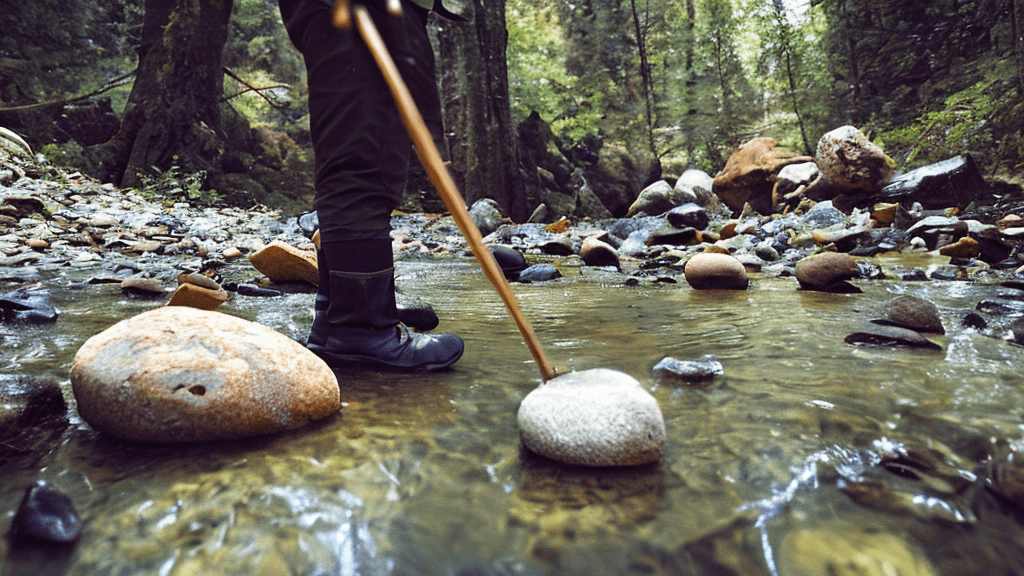
There's something magical about creek rock hunting. While everyone's fighting over picked-over road cuts and quarries, savvy collectors know that rivers and streams are nature's own rock tumblers—constantly revealing fresh specimens with every seasonal flood. These water-worn treasures often display the kind of polish and patina that would take months in a commercial tumbler.
Water acts as both curator and reveal artist. The constant tumbling action strips away weathered rinds, exposes colorful agate cores, and creates that distinctive smooth texture that makes creek rocks so satisfying to hold. Plus, flowing water naturally concentrates heavier minerals—including gold, garnets, and gemstones—into predictable deposit zones that experienced collectors learn to read like a book.
Whether you're searching for banded creek agates, fossilized coral, or that perfect piece of water-worn jasper, stream rockhounding offers advantages that dry land collecting simply can't match. The specimens are cleaner, the hunting grounds refresh constantly, and the concentration of material means you can cover more ground efficiently.
Understanding How Water Creates Prime Rock Hunting Locations
The Geology Behind Water-Tumbled Specimens
Creek and river systems act as natural transportation networks for rocks and minerals. Understanding this process is crucial for successful stream rockhounding. Here's what happens:
Upstream Origins: Everything in a creek starts somewhere uphill. Igneous rocks from ancient volcanic flows, sedimentary layers rich with fossils, and metamorphic formations containing gemstones—all gradually work their way downstream through erosion and weathering.
The Tumbling Process: As rocks travel downstream, they bang against each other in the current. Sharp edges round off, soft minerals wear away faster than hard ones, and hidden beauty gets revealed. A dull, gray exterior might hide banded agate or colorful jasper underneath.
Natural Sorting: Water sorts material by size, shape, and density. You'll find larger rocks in fast-moving sections, while fine gravels collect in slower areas. Heavy minerals like magnetite, garnets, and gold concentrate in specific spots that experienced collectors learn to recognize.
Reading Stream Anatomy for Better Finds
Successful creek rock hunting means understanding stream dynamics. Here are the key features to recognize:
Inside Bends: Where water slows down, heavier material drops out. These areas accumulate the good stuff—agates, fossils, and gemstones. Look for gravel bars on the inside of creek bends, especially downstream from bedrock exposures.
Riffles and Rapids: Fast water exposes bedrock and moves lighter material downstream. Check exposed bedrock cracks and crevices for concentrated heavies. The area just below rapids often contains freshly tumbled specimens.
Pool Tails: Where fast water enters a pool, it creates a natural settling zone. This transition area collects everything from small agates to fossil specimens. The material here is often freshly deposited and less picked over.
Gravel Bars: These temporary features form during high water events and can contain concentrated treasures. New bars after spring floods are particularly productive for creek agates and other specimens.
Essential Equipment for Creek and River Rock Collecting
Budget-Friendly Starter Kit ($25-50)
Starting creek rock hunting doesn't require expensive gear. Here's what you need:
Basic Tools:
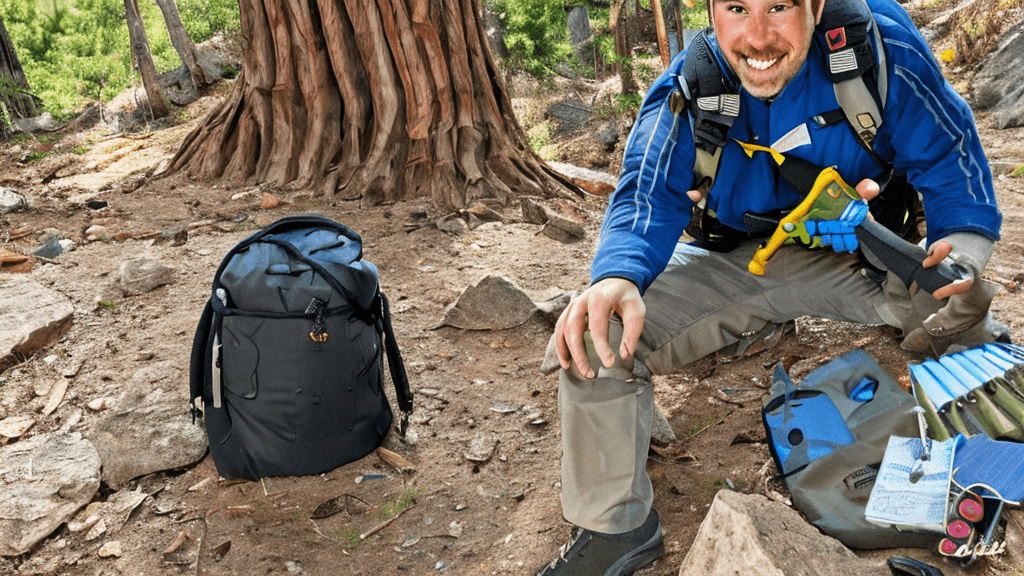
- Plastic sand scoop or small garden trowel
- Kitchen strainer with 1/4-inch mesh
- 5-gallon bucket with lid
- Waterproof phone case
- Old towels and change of clothes
Safety Essentials:
- Non-slip water shoes or old sneakers
- Sunscreen and insect repellent
- Basic first aid supplies
- Whistle for emergencies
Collection Supplies:
- Egg cartons or divided containers for small specimens
- Newspaper for wrapping delicate finds
- Permanent markers for labeling
- Small brush for cleaning specimens
Serious Collector Setup ($100-200)
Ready to upgrade your stream rockhounding game? Invest in quality tools that last:
Advanced Tools:
- Steel prospecting scoop with reinforced handle
- Classifier screens in multiple sizes (1/2", 1/4", 1/8")
- Waterproof GPS unit or smartphone app like Rockhound for marking productive spots
- UV flashlight for fluorescent minerals
- 10x magnifying loupe for field identification
Comfort and Safety:
- Chest waders for cold-water collecting
- Neoprene gloves with grip coating
- Polarized sunglasses to reduce glare
- Waterproof field notebook
Transport Solutions:
- Heavy-duty rockhound backpack with frame
- Plastic storage totes with dividers
- Bubble wrap and foam padding
- Digital scale for weighing larger specimens
Professional Creek Rock Hunting Kit ($300+)
For those who take stream collecting seriously:
Premium Equipment:
- Aluminum classifier set with stainless steel mesh
- Underwater viewing scope for spotting submerged specimens
- High-intensity LED headlamp for low-light conditions
- Dry suit for extended cold-water sessions
- Rockhound app with offline mineral database
Documentation Tools:
- Waterproof camera for specimen photos
- Tablet with rock identification apps
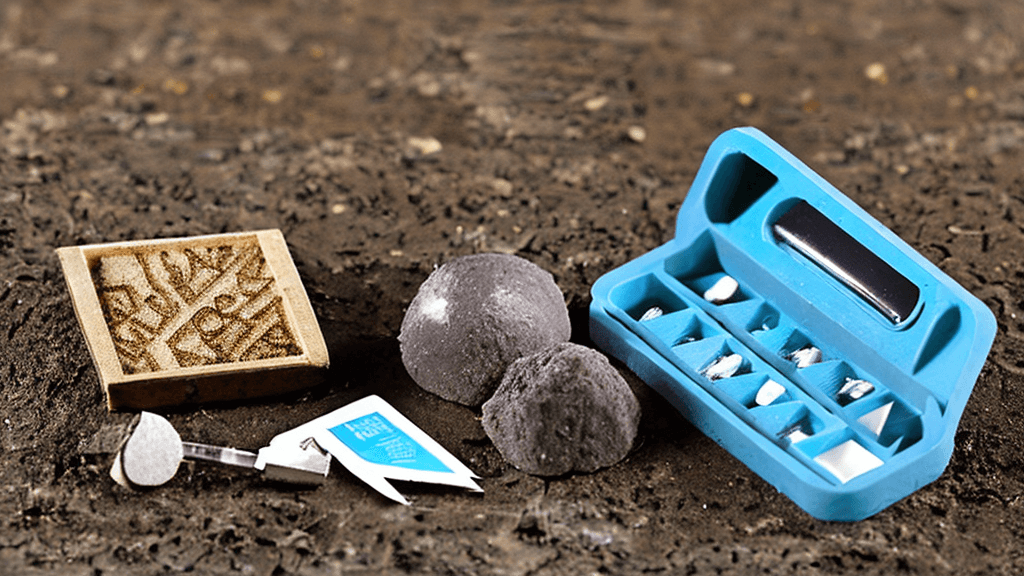
- Portable hardness test kit
- Specific gravity testing tools
- Digital calipers for precise measurements
Step-by-Step Creek Rock Hunting Process
Pre-Hunt Planning and Research
Successful creek rock hunting starts long before you get your feet wet. Follow this systematic approach:
1. Geological Research (30-60 minutes):
- Check geological survey maps for your target area
- Identify rock formations upstream from your planned hunting spot
- Look for areas with agate, jasper, quartz, or fossil-bearing formations
- Note recent weather patterns—recent rains often expose fresh material
2. Legal and Access Check (15-30 minutes):
- Verify land ownership and obtain necessary permissions
- Check local regulations on collecting limits
- Identify parking areas and access points
- Plan your route considering water levels and flow conditions
3. Equipment Preparation (20 minutes):
- Test all electronic equipment and charge batteries
- Pack tools in order of use for easy access
- Prepare collection containers with proper padding
- Download offline maps and mineral identification resources
The Creek Rock Hunting Method
Step 1: Initial Survey (10-15 minutes)
Walk the stream bank before entering. Look for:
- Recent flood debris lines indicating high water levels
- Exposed gravel bars with fresh material
- Areas where the creek has changed course recently
- Signs of other collectors (but don't follow them—find your own spots)
Step 2: Test Panning (5 minutes per spot)
Use your classifier to sample gravel from promising locations:
- Dig 3-4 inches below the surface
- Classify material down to 1/4-inch size
- Examine concentrates in good light
- Look for telltale colors: translucent edges (agate), waxy luster (jasper), crystal faces (quartz)
Step 3: Systematic Grid Search
Work methodically to cover ground efficiently:
- Start at downstream end and work upstream
- Focus on inside bends and pool tails
- Check both underwater and exposed gravel bars
- Use natural landmarks to track your progress
Step 4: Specimen Collection
When you find promising material:
- Photograph specimens in situ when possible
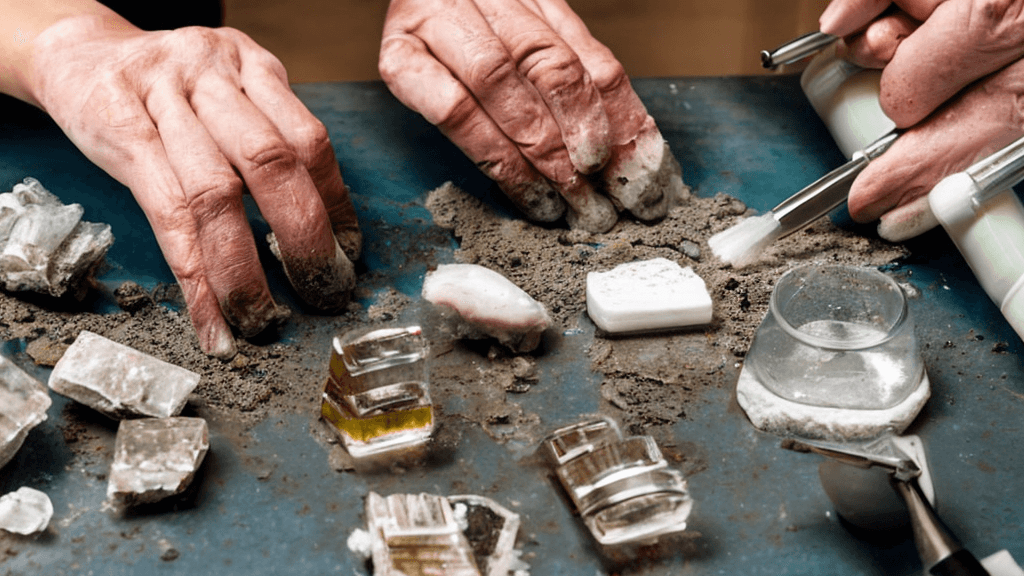
- Clean with water to reveal true colors
- Test hardness with simple tools (steel nail = 5.5, glass = 5.5, quartz = 7)
- Wrap delicate specimens immediately
Advanced Creek Rock Collecting Techniques
Underwater Viewing Method:
- Use polarized sunglasses to reduce surface glare
- Position yourself with the sun at your back
- Look for translucent edges and distinctive shapes
- Focus on areas where light-colored gravel contrasts with darker material
Bedrock Crack Technique:
- Check exposed bedrock for natural cracks and crevices
- Use screwdriver or pick to carefully extract material
- Heavy minerals concentrate in these natural traps
- Look for dark, heavy concentrates indicating mineral richness
Gravel Bar Sampling:
- Dig test holes every 10 feet along new gravel bars
- Note depth to bedrock or clay layers
- Track GPS coordinates of productive areas using Rockhound app
- Return after each major rain event for fresh material
Identifying Your Creek Finds: From Common Rocks to Collectible Specimens
Quick Field Identification Tips
Agate Characteristics:
- Translucent when held to light (even if only on edges)
- Waxy or glassy luster
- Often shows banding patterns
- Conchoidal (curved) fracture surfaces
- Harder than steel (won't scratch easily)
Jasper Indicators:
- Opaque appearance (no light passes through)
- Smooth, uniform texture
- Rich earth tones: red, yellow, brown, green
- Breaks with smooth, curved surfaces
- Feels slightly rougher than agate
Quartz Varieties:
- Crystal clear to white varieties
- Hexagonal crystal shapes in vugs
- Hard enough to scratch glass easily
- Often found as water-worn pebbles
- May contain interesting inclusions
Fossil Signs:
- Regular patterns that don't match surrounding rock
- Shell or coral textures
- Petrified wood showing grain patterns
- Bone or tooth shapes
- Often lighter or darker than host rock
Common Creek Rocks vs. Keepers
Usually Common (But Still Pretty):
- Granite and gneiss pebbles
- Limestone and sandstone
- Most dark volcanic rocks
- Standard quartzite
- Common shale pieces
Definitely Collectible:
- Banded or moss agates
- Picture jasper with scenic patterns
- Petrified wood with growth rings
- Fossil corals or shells
- Any translucent colorful material
Use the Rockhound App for Confirmation:
When you're unsure about identification, the app's AI mineral identification feature can analyze your photos instantly—even offline. Simply snap a picture, and get expert-level identification with confidence ratings.
Common Mistakes That Sabotage Creek Rock Hunting Success
Location Selection Errors
Mistake #1: Following the Crowd
Don't hunt where everyone else does. Popular spots get picked over quickly. Instead:
- Look for access points away from parking areas
- Explore upstream from popular collecting sites
- Check smaller tributaries feeding main streams
- Visit during off-peak times (weekdays, early morning)
Mistake #2: Ignoring Seasonal Timing
Water levels dramatically affect collecting success:
- Spring floods expose fresh material but make access dangerous
- Late summer low water reveals gravel bars but may limit new material
- Post-storm conditions often yield the best specimens
- Winter collecting can reveal ice-dammed concentrations
Technique Failures
Mistake #3: Skimming the Surface
Most treasures hide below the surface layer:
- Always dig at least 4-6 inches deep in gravel bars
- Check multiple layers in stream banks
- Heavy minerals sink to lowest points
- Fresh material gets deposited on top of older concentrates
Mistake #4: Poor Lighting Conditions
Lighting makes or breaks your success:
- Avoid mid-day when harsh shadows hide details
- Early morning or late afternoon provides best angle
- Overcast days offer even, revealing light
- Always carry a flashlight for checking crevices
Identification and Collection Errors
Mistake #5: Judging by Wet Appearance
Rocks look completely different when dry:
- Always carry a water bottle for test cleaning
- Collect questionable specimens for later examination
- Take both wet and dry photos for comparison
- Remember: ugly wet might be beautiful dry
Mistake #6: Overlooking Small Specimens
Some of the best material comes in small packages:
- Creek agates often occur as thumbnail-sized pieces
- Small fossils preserve better detail
- Jewelry makers prize miniature specimens
- Always check your classifier concentrates carefully
Troubleshooting Common Creek Rock Hunting Problems
When You're Not Finding Anything
Problem: Gravel bars seem barren
Solutions:
- Check if you're digging deep enough (go 6+ inches)
- Move to different stream features (bends vs. straight sections)
- Look for areas with mixed size material
- Check if recent floods have deposited new material upstream
Problem: Everything looks like "just rocks"
Solutions:
- Improve your lighting conditions
- Use water to clean specimens for better color
- Learn to recognize translucent edges in agates
- Practice with known specimens to train your eye
Equipment and Safety Issues
Problem: Cold water makes collecting miserable
Solutions:
- Invest in quality waders or waterproof boots
- Wear wool socks even in summer (insulate when wet)
- Bring dry clothes and towels for after
- Collect from banks when water is too cold
Problem: Equipment keeps getting lost or damaged
Solutions:
- Use floating keychains on essential tools
- Attach tools to yourself with retractable lanyards
- Pack electronics in double waterproof bags
- Keep a spare set of basic tools in your vehicle
Access and Permission Challenges
Problem: All the good spots seem to be private property
Solutions:
- Check county GIS maps for public access points
- Join local rockhound clubs for group access
- Ask landowners respectfully—offer to share finds
- Explore state and federal lands with collecting permits
Advanced Strategies for Experienced Creek Rockhounds
Reading Flood Patterns for Fresh Material
Experienced collectors study flood hydrology to predict where new specimens will concentrate. Here's how:
High Water Indicators:
- Debris lines in trees show maximum flood height
- Newly deposited sand layers over older gravel
- Uprooted vegetation with rocks tangled in roots
- Fresh erosion cuts in stream banks
Post-Flood Strategy:
- Wait 1-2 weeks for water to clear
- Check newly formed gravel bars first
- Look in areas that normally don't have gravel
- Focus on inside bends where flood water slowed
Seasonal Collection Timing
Spring Collecting (March-May):
- Pros: Fresh material from winter freeze/thaw, fewer collectors
- Cons: High water, cold temperatures, unstable banks
- Focus: Recently exposed bedrock, new gravel deposits
Summer Collecting (June-August):
- Pros: Low water levels, warm weather, family-friendly
- Cons: Picked-over areas, crowds at popular spots
- Focus: Deep water holes, shaded areas others avoid
Fall Collecting (September-November):
- Pros: Comfortable temperatures, post-summer rain events
- Cons: Variable water levels, shorter days
- Focus: Storm-deposited material, recently fallen leaves removed
Winter Collecting (December-February):
- Pros: No crowds, ice formations reveal bedrock, freeze/thaw breaks rocks
- Cons: Cold, dangerous conditions, limited daylight
- Focus: Ice-margin collections, areas normally underwater
Professional Collection Documentation
Serious collectors maintain detailed records. Use the Rockhound app to:
- GPS mark productive locations with photos
- Track specimens found at each site
- Note water conditions and seasonal timing
- Set reminders to revisit spots after major rain events
Family-Friendly Creek Rock Hunting Adventures
Making It Fun for Kids
Engagement Strategies:
- Create treasure hunt lists with pictures
- Let kids use classifiers—kids love the "mining" aspect
- Bring containers for special finds
- Teach simple identification tricks they can master
- Take photos of their best specimens
Educational Opportunities:
- Explain how water tumbles rocks smooth
- Show different mineral hardness with simple tests
- Discuss local geology and how the creek formed
- Connect finds to larger geological story
- Build home display together
Safety Considerations:
- Always supervise near water
- Choose shallow, slow-moving areas
- Bring spare clothes and towels
- Pack snacks and plenty of water
- Set clear boundaries for exploration area
Building Skills Together
Start with easy-to-find specimens to build confidence:
- Quartz pebbles (teach about crystal forms)
- Common fossils (encourage close observation)
- Colorful jasper (introduce mineral identification)
- Small agates (practice recognizing translucency)
- Interesting metamorphic rocks (discuss formation)
Resources for Continuing Your Creek Rock Hunting Education
Essential Books and Guides
Field Identification:
- "National Audubon Society Field Guide to Rocks and Minerals"
- "Simon & Schuster's Guide to Rocks and Minerals"
- "Field Guide to North American Rocks" (regional guides available)
Advanced Learning:
- "The Formation of Agates" by Roger Pabian
- "River Collecting for Gemstones" by various authors
- Local geological survey publications for your area
Online Communities and Forums
Active Communities:
- Reddit's r/rockhounds and r/whatsthisrock
- Facebook groups for regional collecting
- Mindat.org for mineral database and locality information
- Local rockhound club forums
Educational Resources:
- YouTube channels specializing in field collecting
- State geological survey websites
- University geology department resources
- Virtual mineral museums and collections
Mobile Tools and Apps
Rockhound App Features Perfect for Creek Hunting:
- Offline mineral identification with AI photo analysis
- GPS tracking for marking productive spots
- Collection management with photos and location data
- Works without cell service for remote creek locations
Other Useful Apps:
- Offline topographical maps
- Weather and river level monitoring
- Sun position calculators for optimal lighting
- Tide tables (for coastal stream hunting)
Your Next Steps: From Reading to Rock Hunting
Creek and river rock hunting offers something for everyone—from families seeking outdoor adventure to serious collectors building world-class collections. The constant renewal of stream beds means yesterday's barren gravel bar might reveal today's spectacular agate. Water's patient grinding creates specimens of remarkable beauty, waiting just beneath the surface for those who know where to look.
Success in stream rockhounding comes from combining knowledge with persistence. Understanding how water concentrates heavy minerals helps you read creeks like a book. Recognizing the telltale signs of agate, jasper, and other collectible materials ensures you don't walk past treasures disguised as ordinary rocks. Most importantly, respecting both nature and property rights keeps collecting areas open for everyone.
The beauty of creek rock hunting lies not just in the specimens you find, but in the places it takes you. Remote streams offer solitude and natural beauty impossible to find in crowded tourist spots. Each expedition builds your knowledge base, training your eye to spot increasingly subtle clues. Before long, you'll develop an instinct for reading water patterns and recognizing quality material that transforms every stream crossing into a potential collecting opportunity.
Ready to start your own creek rock hunting adventure? Download the [Rockhound app](https://getrockhound.com) to identify your finds instantly, track productive locations, and connect with other collectors. With 500+ minerals in the database and offline capability, you'll have expert identification help wherever your stream exploration leads. Your next spectacular specimen is waiting in a creek bed somewhere—time to start looking!
Call to Action: Don't let another season pass without experiencing the thrill of creek rock hunting. Download Rockhound today and join thousands of collectors who've discovered that the best treasures aren't found in stores—they're waiting in streams, rivers, and creeks near you. Your next agate, fossil, or gemstone discovery is just a photo away!
Ready to start hunting?
Download Rockhound and identify your finds instantly with AI-powered recognition. Track your expeditions with GPS and build your digital collection.
Download Rockhound