Rock Hunting Safety: Complete Guide to Hazards & Prevention
Stay safe while rock hunting! Learn to identify dangerous minerals, prevent field injuries, handle emergencies, and use proper safety equipment. Essential guide for collectors of all levels.
In this article
- Why Rock Hunting Safety Matters More Than You Think
- Essential Rockhounding Safety Equipment
- Physical Hazards in Rock Hunting
- Toxic and Dangerous Minerals
- Legal and Ethical Considerations
- First Aid for Rock Hunting Emergencies
- Incident Prevention Strategies
- When to Seek Professional Help
- Creating Your Personal Safety Protocol
# Rock Hunting Safety: Complete Guide to Hazards Every Collector Should Know
Rock hunting safety isn't just about wearing a helmet—it's the difference between an unforgettable adventure and a life-threatening situation. Whether you're a weekend warrior searching for quartz crystals or a seasoned collector hunting rare minerals, understanding rockhounding safety protocols can save your life.
Every year, enthusiastic rock collectors suffer preventable injuries ranging from minor cuts to serious accidents involving toxic mineral exposure, falls, and equipment failures. This comprehensive guide equips you with essential knowledge to identify hazards, prevent accidents, and respond effectively when things go wrong in the field.
Why Rock Hunting Safety Matters More Than You Think
Rock collecting might seem like a low-risk hobby, but the statistics tell a different story. Search and rescue teams report hundreds of incidents annually involving injured rockhounds, from sprained ankles on remote trails to life-threatening exposures to toxic minerals like asbestos and uranium-bearing specimens.
The sobering reality? Most rock hunting accidents share common causes: inadequate preparation, poor hazard recognition, and insufficient safety equipment. A recent survey of emergency departments revealed that 68% of rock collecting injuries could have been prevented with proper safety knowledge and equipment.
Key Takeaway: Every successful rock hunting expedition begins with safety planning. Before you grab your rock hammer, invest time in understanding potential hazards and preparing appropriate safety measures.
Essential Rockhounding Safety Equipment: Your Life-Saving Toolkit
Personal Protective Equipment (PPE) for Rock Collecting
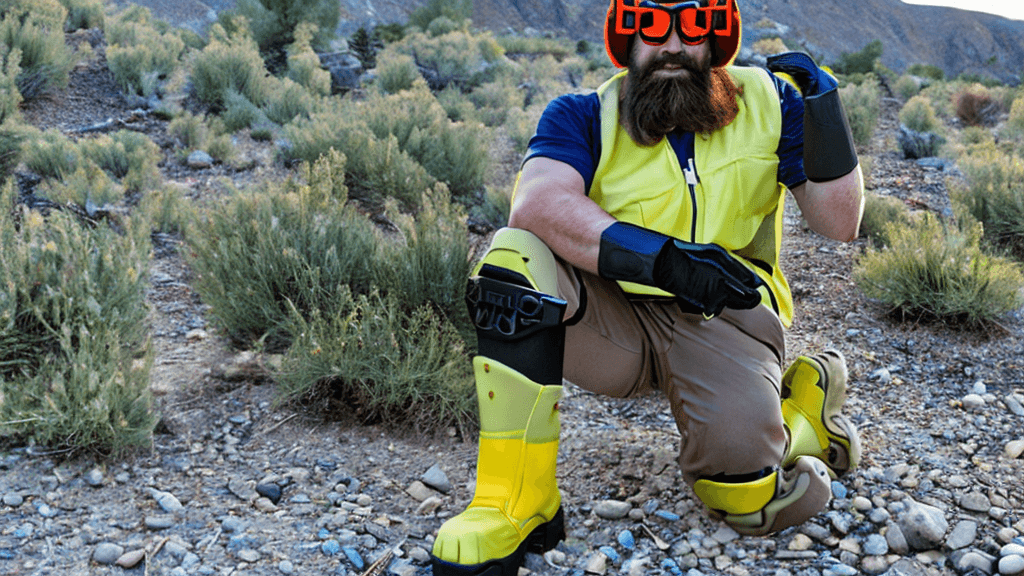
Your safety equipment forms the foundation of rock hunting safety. Never venture into the field without these essentials:
Head Protection
- **Hard hat or climbing helmet**: Protects against falling rocks, especially near cliffs or when others are collecting above you
- **Sun hat with neck protection**: Prevents heatstroke during summer rock hunting expeditions
Eye and Face Protection
- **Safety goggles**: Essential when using rock hammers or chisels
- **Face shield**: Recommended when breaking large specimens
- **Dust mask or respirator**: Critical when working with potentially toxic minerals
Hand and Body Protection
- **Heavy-duty work gloves**: Protect against sharp edges and rough surfaces
- **Steel-toed boots**: Prevent crushed toes from dropped rocks
- **Long-sleeved shirts and pants**: Shield skin from scratches, sun, and irritant plants
- **High-visibility safety vest**: Ensures you're visible to other collectors
Rock Hunting Tools Safety Checklist
Basic Collection Tools
- Rock hammer with secure grip
- Cold chisels of various sizes
- Pry bars for extracting specimens
- Collection bags with reinforced bottoms
- First aid kit specifically designed for field use
Advanced Safety Equipment
- Portable air monitor for enclosed spaces
- Emergency whistle for signaling
- Two-way radio or satellite communicator
- GPS device with emergency beacon capability
- Headlamp with extra batteries
Pro Tip: The [Rockhound app](https://getrockhound.com) includes a customizable safety checklist feature that ensures you never forget essential equipment. Download it today to build your personal safety protocol.
Emergency Communication Devices
Never rely solely on cell phone coverage in remote rock hunting locations. Consider these alternatives:
- **Satellite communicators**: Devices like Garmin inReach provide GPS tracking and emergency SOS
- **Personal locator beacons**: One-button emergency signaling to rescue services
- **Two-way radios**: Essential for group communication in areas without cell service
- **Signal mirrors**: Low-tech but effective for attracting attention
Physical Hazards in Rock Hunting: Terrain, Weather, and Equipment Risks
Terrain-Related Dangers
Rock hunting often takes collectors to challenging environments where one wrong step can result in serious injury. Understanding terrain hazards forms a critical component of rockhounding safety.
Cliff and Slope Hazards
- **Unstable footing**: Loose rocks on slopes create treacherous conditions
- **Rockfall zones**: Areas below cliffs where falling rocks pose constant danger
- **Hidden drop-offs**: Vegetation can conceal dangerous ledges
- **Weathered rock faces**: Deteriorating cliff faces may collapse without warning
Prevention Strategies:
- Always scout locations from multiple angles before approaching
- Test rock stability before committing weight
- Maintain three points of contact when climbing
- Never turn your back on steep slopes or cliff edges
Water-Related Hazards
- **Slippery surfaces**: Wet rocks near streams and waterfalls create fall hazards
- **Flash floods**: Desert washes and narrow canyons can flood rapidly
- **Hypothermia**: Cold water exposure even in mild weather
- **Strong currents**: Appearing calm water may have dangerous undercurrents
Weather and Environmental Risks
Extreme Temperature Exposure
- **Heat exhaustion**: Common during summer rock hunting in desert environments
- **Hypothermia**: Risk increases at higher elevations and during unexpected weather changes
- **Dehydration**: Often overlooked when focused on collecting activities
Lightning Safety for Rock Collectors
- Rock outcrops and open areas increase lightning strike risk
- Metal tools and rock hammers conduct electricity
- Seek low ground immediately when thunder approaches
Equipment Failure Prevention
Tool Safety Protocols
- Inspect rock hammers for loose heads before each use
- Maintain sharp edges on chisels to prevent dangerous slips
- Use proper striking techniques to avoid metal fragments
- Replace worn or damaged safety equipment immediately
Real Incident Example: An experienced collector suffered a serious eye injury when a decades-old rock hammer head separated during use. The rusty connection point had weakened over years of storage. Modern safety inspection protocols would have prevented this injury.
Toxic and Dangerous Minerals: Identification and Safe Handling
Understanding Mineral Toxicity Risks
Rock hunting safety extends beyond physical injuries to include chemical and radiological hazards. Many beautiful minerals contain toxic elements that pose serious health risks through skin contact, inhalation, or accidental ingestion.
Asbestos-Bearing Minerals
Common Asbestos Minerals in Rock Collecting:
- Chrysotile (white asbestos)
- Amosite (brown asbestos)
- Crocidolite (blue asbestos)
- Actinolite and tremolite asbestos varieties
Health Risks: Mesothelioma, lung cancer, and asbestosis from fiber inhalation
Safe Handling Protocol:
- Never break or crush specimens that may contain asbestos
- Use N95 or P100 respirators when working in areas with fibrous minerals
- Wet specimens to prevent fiber release
- Store in sealed containers with clear hazard labeling
- Wash hands thoroughly after handling
Radioactive Minerals
Common Radioactive Collecting Specimens:
- Uraninite (pitchblende)
- Torbernite and autunite
- Carnotite
- Thorite
- Davidite
Radiation Detection and Safety:
- Use Geiger counters to assess radiation levels
- Limit exposure time with radioactive specimens
- Store in shielded containers away from living areas
- Never allow children to handle radioactive minerals
Heavy Metal Containing Minerals
Lead-Bearing Minerals:
- Galena (lead sulfide)
- Anglesite and cerussite
- Pyromorphite
Mercury Minerals:
- Cinnabar (mercury sulfide)
- Native mercury
Arsenic Minerals:
- Arsenopyrite
- Realgar and orpiment
- Cobaltite
Safe Collection Practices:
- Wear gloves when handling all metal-bearing minerals
- Never eat or drink while collecting
- Wash hands and tools after each collecting session
- Store specimens in clearly labeled containers
Silica Dust and Silicosis Prevention
Crystalline Silica Exposure occurs when cutting, grinding, or crushing:
- Quartz specimens
- Agate and chalcedony
- Jasper and flint
- Any cryptocrystalline silica materials
Prevention Measures:
- Use water suppression when cutting or grinding
- Wear appropriate respirators (N95 minimum)
- Ensure adequate ventilation in work areas
- Regular medical monitoring for frequent exposure
Critical Warning: Silicosis is irreversible and potentially fatal. Always prioritize dust control when working with silica-bearing specimens.
Legal and Ethical Considerations in Rock Collecting Safety
Understanding Rock Hunting Regulations
Rockhounding safety includes understanding and following legal requirements. Illegal collecting can result in fines, equipment confiscation, and even criminal charges that create entirely new categories of safety concerns.
Federal Land Regulations:
- **BLM land**: Generally allows casual collecting with quantity limits
- **National Parks**: Prohibits all mineral collecting
- **National Forests**: Permits limited collecting with restrictions
- **Wilderness Areas**: Often prohibit mechanized equipment
State and Local Laws:
- State park regulations vary significantly
- Some states require rock collecting permits
- County ordinances may restrict collecting in certain areas
- Always verify current regulations before collecting
Permission and Property Rights
Private Property Considerations:
- Always obtain written permission from landowners
- Understand liability implications of collecting on private land
- Respect boundaries and follow landowner restrictions
- Leave gates as you found them
Claim and Lease Areas:
- Active mining claims prohibit collecting without permission
- Respect posted signs and claim boundaries
- Understand that mineral rights may differ from surface rights
Environmental Protection Ethics
Leave No Trace Principles for Rockhounds:
- Minimize site disturbance during collecting
- Backfill holes and restore collecting areas
- Pack out all trash and equipment
- Respect wildlife habitats and nesting areas
Cultural and Historical Preservation:
- Never collect from archaeological sites
- Respect Native American sacred sites
- Document significant finds for scientific study
- Share location information with appropriate authorities
First Aid for Rock Hunting Emergencies
Building a Rockhound-Specific First Aid Kit
Essential Medical Supplies:
- Sterile bandages and gauze pads in multiple sizes
- Antiseptic wipes and antibiotic ointment
- Medical tape and elastic bandages
- Tweezers for splinter and tick removal
- Instant cold packs for sprains and bruises
- Emergency space blanket for shock treatment
Specialized Items for Rock Collecting:
- Eye wash solution for dust and debris
- Snake bite kit if collecting in venomous snake territory
- Emergency splint materials
- Burn gel for tool-related injuries
- Electrolyte powder for dehydration treatment
Common Rock Hunting Injuries and Treatment
Lacerations and Abrasions:
- Clean wound thoroughly with antiseptic
- Apply direct pressure to control bleeding
- Cover with sterile bandage
- Seek medical attention for deep cuts requiring stitches
Eye Injuries from Rock Fragments:
- Never rub injured eyes
- Flush with clean water or sterile eye wash
- Cover both eyes to prevent movement
- Seek immediate medical attention
Sprains and Fractures:
- Immobilize injured area
- Apply cold pack to reduce swelling
- Elevate if possible
- Do not attempt to reset fractures
Heat-Related Emergencies:
- **Heat exhaustion**: Move to shade, provide fluids, cool victim
- **Heat stroke**: Medical emergency requiring immediate evacuation
- **Hypothermia**: Insulate victim, provide warm fluids if conscious
Emergency Evacuation Procedures
When to Call for Emergency Assistance:
- Unconsciousness or altered mental state
- Difficulty breathing or chest pain
- Severe bleeding that won't stop
- Suspected fractures or spinal injuries
- Signs of heart attack or stroke
Emergency Communication Protocol:
- Provide GPS coordinates if available
- Describe terrain and access routes
- Detail number of people and injuries
- Establish communication schedule
- Prepare for helicopter landing if required
Pro Tip: The [Rockhound app](https://getrockhound.com) automatically logs your GPS coordinates during expeditions, making emergency location sharing quick and accurate when every second counts.
Incident Prevention Strategies for Rock Collectors
Pre-Trip Planning and Risk Assessment
Location Research:
- Study topographic maps for terrain challenges
- Check weather forecasts and seasonal conditions
- Research local hazards specific to collecting area
- Identify emergency evacuation routes
- Share itinerary with reliable contact person
Group Safety Protocols:
- Establish communication procedures
- Set check-in times and emergency contacts
- Define roles and responsibilities
- Practice buddy system - never collect alone
- Plan for medical emergencies
Field Safety Procedures
Daily Safety Briefings:
- Review day's objectives and potential hazards
- Check weather conditions and forecasts
- Inspect safety equipment and tools
- Establish emergency procedures for location
- Confirm communication capabilities
Active Hazard Monitoring:
- Continuously assess terrain stability
- Watch for changing weather conditions
- Monitor group members for fatigue or distress
- Be prepared to modify plans based on conditions
Post-Trip Safety Protocols
Equipment Inspection and Maintenance:
- Clean and inspect all tools for damage
- Replace worn safety equipment
- Document any equipment failures
- Update first aid supplies as needed
- Plan equipment upgrades based on experience
Health Monitoring:
- Watch for delayed symptoms of toxic exposure
- Document any injuries or concerning symptoms
- Schedule medical evaluation if needed
- Share health concerns with family physician
When to Seek Professional Help: Red Flags for Rock Collectors
Immediate Medical Attention Indicators
Physical Injury Warning Signs:
- Persistent pain after apparent minor injury
- Swelling that increases over time
- Loss of range of motion in joints
- Numbness or tingling in extremities
- Signs of infection: redness, warmth, pus
Toxic Exposure Symptoms:
- Persistent cough or breathing difficulty
- Unusual skin rashes or lesions
- Metallic taste in mouth
- Persistent headache or dizziness
- Nausea without other explanation
Environmental Illness Signs:
- Symptoms of heat exhaustion that don't improve with rest
- Persistent hypothermia symptoms
- Altitude sickness at moderate elevations
- Dehydration despite fluid replacement
Long-Term Health Monitoring
Occupational Health Considerations:
- Regular medical checkups for frequent collectors
- Lung function tests for those exposed to dust
- Skin examinations for chemical exposure
- Blood tests for heavy metal exposure
- Cancer screenings based on exposure history
Documentation for Medical Professionals:
- Maintain exposure records for toxic minerals
- Document safety equipment used
- Record duration and frequency of exposures
- Share collecting history with healthcare providers
- Update emergency medical information
Creating Your Personal Rock Hunting Safety Protocol
Developing a Safety Checklist
Pre-Expedition Checklist:
- [ ] Weather forecast checked
- [ ] Emergency contacts notified
- [ ] Safety equipment inspected
- [ ] Communication devices tested
- [ ] First aid kit restocked
- [ ] Legal permissions obtained
- [ ] Emergency evacuation plan reviewed
Daily Field Safety Checks:
- [ ] Weather conditions assessed
- [ ] Terrain hazards identified
- [ ] Safety equipment worn properly
- [ ] Communication range confirmed
- [ ] Group check-in completed
- [ ] Emergency procedures reviewed
Building Safety Habits
Consistent Safety Practices:
- Never compromise safety for specimen collection
- Always err on the side of caution
- Share safety knowledge with other collectors
- Stay updated on safety best practices
- Invest in quality safety equipment
- Practice emergency procedures regularly
Conclusion: Making Safety Your Top Priority
Rock hunting safety isn't a one-time consideration—it's an ongoing commitment that should evolve with your experience and collecting activities. Every successful rockhound understands that the best specimens are collected by those who return safely to enjoy their treasures.
By implementing comprehensive safety protocols, using appropriate equipment, understanding potential hazards, and maintaining emergency preparedness, you'll ensure that your rock collecting adventures remain enjoyable and injury-free. Remember that no specimen is worth risking your health or life.
Ready to enhance your rock hunting safety? Download the [Rockhound app](https://getrockhound.com) to access built-in safety checklists, GPS tracking for emergency situations, and comprehensive mineral safety information. With Rockhound as your field companion, you'll have the tools and knowledge to collect safely and confidently.
Stay safe, collect smart, and happy rockhounding!
---
Have you experienced a rock hunting safety situation that others could learn from? Share your story in the comments below to help fellow collectors stay safe in the field.
Ready to start hunting?
Download Rockhound and identify your finds instantly with AI-powered recognition. Track your expeditions with GPS and build your digital collection.
Download Rockhound